
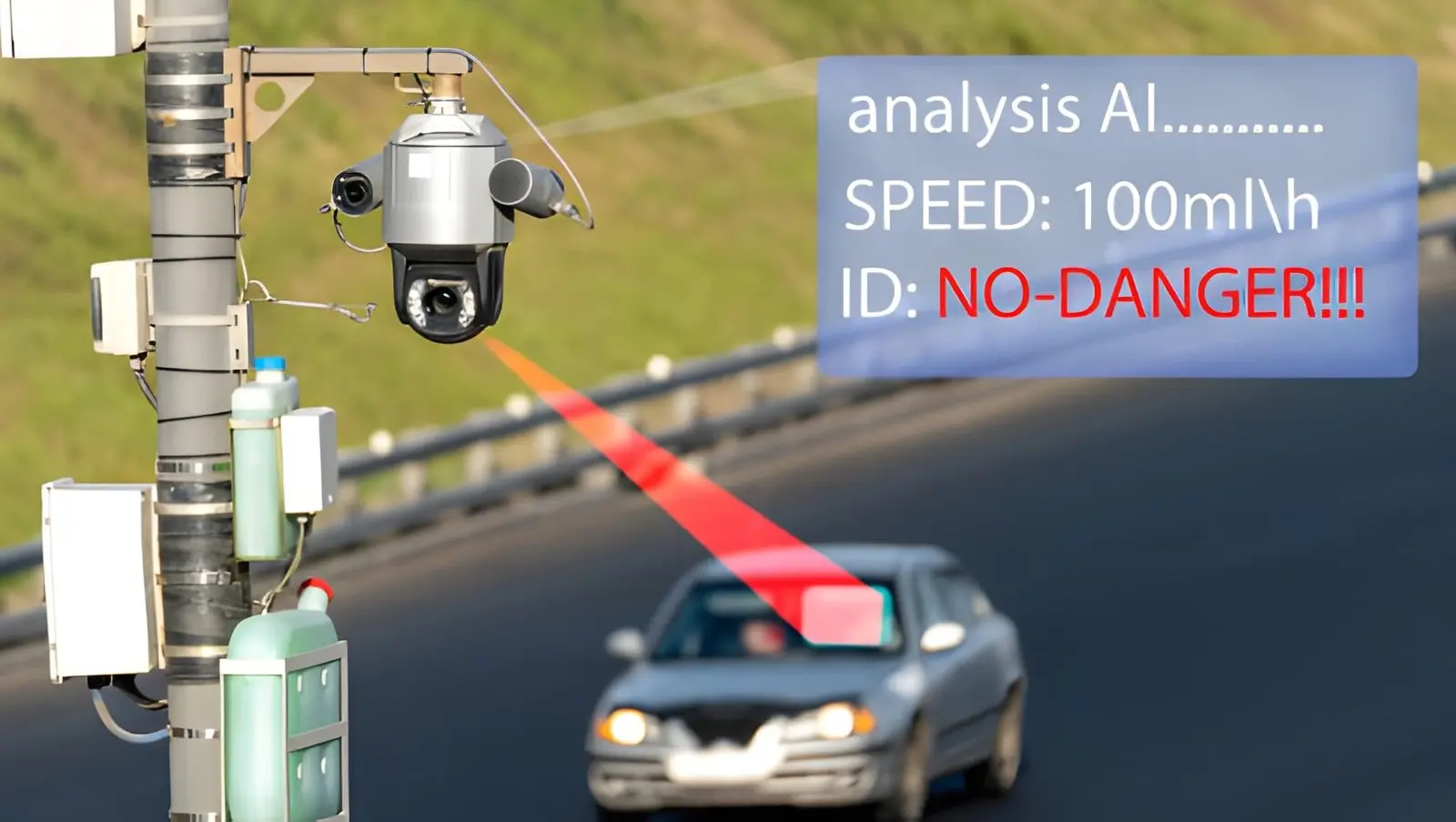
After a traffic accident, drivers sometimes have completely different accounts of what happened. Without reliable evidence, it can be difficult for insurance companies or investigators to determine who was at fault. Traffic camera footage can provide an objective view that fills in missing details and supports a fair investigation. This article explains how traffic camera evidence is used, when it becomes most valuable, what its limitations are, and how it fits with other evidence to strengthen an accident claim.
Traffic Camera Footage Clarifies What Happened
Traffic cameras record activity at many intersections and busy roadways, making them valuable sources of evidence after a collision. A car accident lawyer may use available footage to compare witness statements, vehicle positions, traffic signals, and driver behavior before impact. This evidence becomes especially useful when drivers provide conflicting accounts or when there are few independent witnesses. For example, video may show that a vehicle entered an intersection after the traffic light turned red, helping resolve a disputed liability claim.
Different Camera Systems Capture Different Evidence
Not every camera serves the same purpose, and understanding the differences helps explain what investigators may find.
Public Traffic Cameras
Transportation agencies place these cameras along highways and major intersections to monitor traffic flow. Some continuously record, while others provide live monitoring or save footage for only a limited period.
Private Surveillance Cameras
Businesses, parking lots, gas stations, and nearby homes may capture angles that public cameras miss. These recordings sometimes provide the clearest view because they are positioned closer to the collision.
Traffic camera footage also has limitations. Blind spots, poor weather, nighttime conditions, low video resolution, or cameras that record intermittently instead of continuously can leave important moments unseen. Investigators account for these limitations by reviewing additional evidence.
Video Evidence Builds a Complete Timeline
Traffic camera footage rarely tells the entire story by itself. Investigators compare video with police reports, vehicle damage, witness statements, dashcam recordings, medical records, and electronic vehicle data to create a complete sequence of events. Video timestamps may also be matched with 911 calls and emergency dispatch records to verify exactly when the collision occurred and how quickly emergency responders arrived. Combining multiple sources produces a more reliable investigation than relying on any single piece of evidence.
Early Preservation Protects Valuable Footage
Many people assume traffic camera recordings remain available indefinitely, but that is rarely the case. Government agencies and private businesses may overwrite or delete footage within days as part of routine storage practices. Waiting too long can result in important evidence disappearing before it is requested.
Helpful steps include:
- Identify nearby public and private cameras.
- Request footage before routine deletion.
- Match video timestamps with official records.
- Preserve related photos, reports, and witness information.
Taking these steps early increases the likelihood that critical evidence remains available.
Professional Support Helps Organize Evidence
Obtaining traffic camera footage may require contacting transportation agencies, businesses, or property owners before recordings are lost. A car accident lawyer understands how to identify potential video sources, preserve available footage, and request records that support the investigation. Legal professionals also compare recordings with police reports, witness statements, expert opinions, and other documentation to identify inconsistencies or strengthen liability arguments. This organized approach helps present evidence clearly during insurance negotiations or court proceedings.
Traffic camera evidence can provide an objective record that strengthens accident investigations when questions about fault arise. Combined with police reports, witness statements, emergency records, medical documentation, and other supporting evidence, video footage creates a clearer picture of how a collision occurred. Understanding both the strengths and limitations of traffic camera evidence allows you to make informed decisions after an accident. Reliable evidence collected and preserved early can significantly improve the accuracy of an investigation and support a stronger claim.
Also Read
- Top Benefits of Mobile Car Detailing in Sydney with Jim’s Car Detailing
- 4 Practical Ways To Stretch Any Tech Budget
- How Modern Business Travelers Are Redefining Mobility