Reliable electricity is important for maintaining daily routines, communication, and home safety. But power outages can stop important home systems from working. Because of this, many families seek reliable backup power sources to keep the lights on during outages.
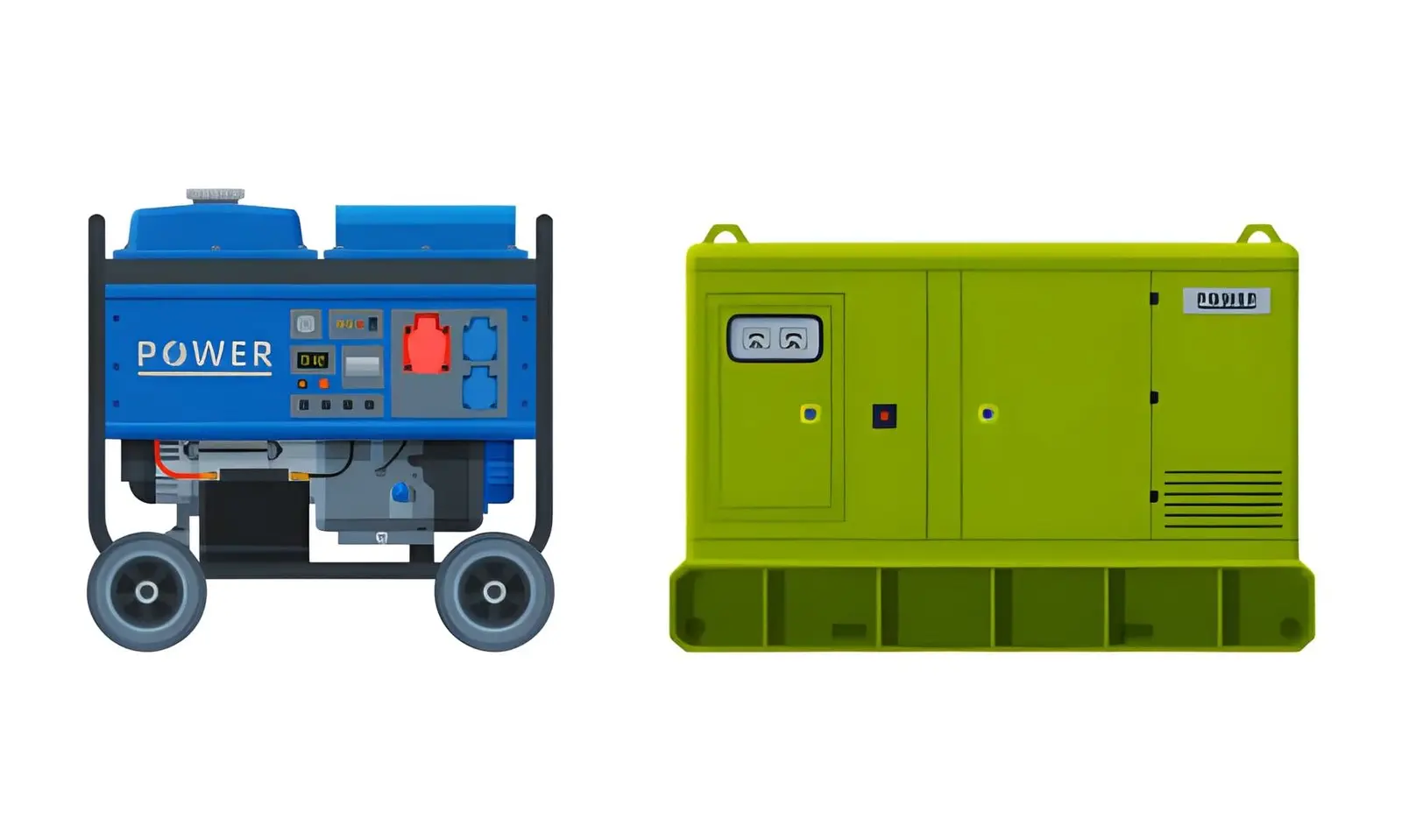
A whole-house generator is designed to provide power when the main power grid fails. It connects directly to the home’s electrical system and turns on automatically during an outage. Backup power helps keep lights on, refrigerators cold, and heating or cooling appliances working well during power cuts.
Modern generator systems have many parts working together. They depend on fuel tanks, electrical controls, and automatic systems that transfer power.
In this blog, you will learn how these systems work, including how they start, their main parts, and the types of fuel used in home generators.
How Whole House Generators Provide Backup Power
Role of Home Standby Generators During Power Outages
Power outages occur due to storms, grid maintenance, or unexpected equipment issues. In such situations, having a good backup system helps households maintain essential activities during outages.
For home generator installation, it must connect to the home’s electrical system. The system monitors the main power supply and activates when a power failure occurs. Usually, standby generators start within seconds of detecting a problem.
These backup generators power essential appliances, such as refrigerators, lights, and heating systems. Keeping power on during long outages helps maintain safety and household functionality.
Automatic Power Detection and Startup Process
Modern generators use smart monitoring systems. These continuously check the voltage from the utility power supply.
Once it detects a power outage, the system tells the engine to start. The engine then runs, generating mechanical energy that the generator converts to electricity.
Because of automatic startup, homeowners do not need to do anything when the power goes out. The quick start helps keep the home’s essential systems working.
Power Transfer Through the Automatic Transfer Switch
The automatic transfer switch is an important part of backup power. It safely connects the generator to the home’s electrical system.
During normal times, electricity flows from the main supply to the house. During an outage, the transfer switch disconnects the home from the main grid and connects it to the generator.
This switch also prevents electricity from flowing back into the grid, which could be dangerous. It protects utility workers and the home’s electrical system.
Returning Power Safely to the Utility Grid
When the main power supply returns and stabilizes, the generator system detects that it is safe to switch off, and the transfer switch reconnects the home to the main grid.
The generator runs a little longer to cool down. After that, it turns off automatically. This way, the home returns to normal power without requiring manual action.
Key Components and Fuel Types in House Generators
Generator Engine and Alternator
The main part of a generator is an engine that converts fuel into mechanical motion. The mechanical motion drives an alternator that generates electricity. The alternator generates electricity by using electromagnetic properties. When a generator is running, it supplies electricity to the household electrical system.
Many home generators feature powerful engines designed to run for extended periods. This allows the generator to continue operating during long power outages.
Control Panel and Voltage Regulation
Generators have control panels that monitor system operation. These panels control when the generator starts or stops and run safety checks. Voltage regulators help stabilize the voltage. This helps protect appliances and electronics from damage caused by sudden power changes.
Many generators now have digital screens that display system status, including hours of use, maintenance alerts, and other useful data.
Fuel Types Used in Whole House Generators
Fuel choice is important for how the generator works. Different homes have different options depending on what is available nearby.
Natural gas is common because it comes through city gas lines, which allows a continuous fuel supply. Propane is another option, stored in tanks and able to supply power for a long time during outages.
Many home generators can run on natural gas or propane, depending on where they are installed. Both fuels support steady power during long outages.
Conclusion
Having reliable backup power is very important for modern homes. Generator systems can automatically turn on when the main power fails. Thus, knowing how these systems work can help families choose the right backup power solution.
A whole-house generator uses components such as engines, alternators, fuel tanks, and transfer switches. It also has smart systems that detect power loss and activate quickly during an outage.
Good planning, proper setup, and regular maintenance help ensure the generator operates effectively for many years. It also helps ensure your home stays powered when needed most.
Also Read