
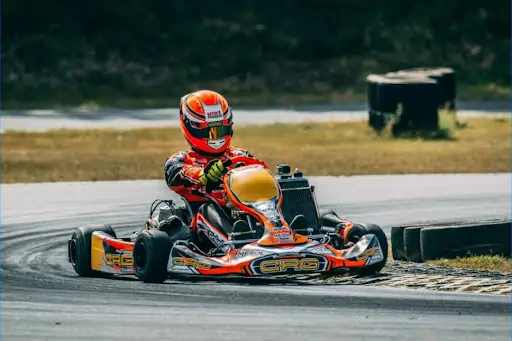
Miami’s motorsport scene is experiencing a quiet revolution. Across the city, specialty racing stores have evolved beyond simple retail operations into community hubs where passion for speed, precision, and competition takes root. These establishments serve as critical infrastructure for South Florida’s growing karting culture, providing not just equipment but expertise, mentorship, and a gathering place for enthusiasts at every level.
The transformation is visible at tracks throughout Miami-Dade County, where weekend races draw increasingly diverse crowds. What was once a niche hobby has become a legitimate pathway into motorsport, with local stores playing an outsized role in making the sport accessible to families, young drivers, and serious competitors alike.
The Evolution of South Florida’s Karting Scene
Karting has deep roots in Miami, but the past decade has seen exponential growth in participation and infrastructure. The city’s year-round racing weather and expanding network of tracks have created ideal conditions for the sport to flourish. Youth participation in karting has surged nationally, with Florida leading much of that growth.
Several factors have converged to fuel Miami’s karting boom:
- Geographic Accessibility: Multiple tracks within a 30-minute drive make regular practice feasible for most residents, lowering the barrier to consistent participation.
- Competitive Infrastructure: Regional series like the Florida Winter Tour have established Miami as a destination for serious racers, creating a competitive ecosystem that benefits local participants.
- Multigenerational Appeal: Unlike many motorsports, karting offers entry points for children as young as five while remaining engaging for adults, creating natural family involvement.
- Economic Accessibility: Compared to other forms of racing, karting requires relatively modest initial investment, though costs scale with competitive ambition.
The sport’s growth has created demand for specialized retail support. Racing stores have responded by expanding their offerings beyond basic equipment to include setup services, technical consultation, and community programming that helps newcomers navigate the sport’s learning curve.
What Makes Miami Karting Distinctive
Miami’s karting culture reflects the city’s broader character—diverse, competitive, and accessible to outsiders willing to engage seriously. The scene encompasses everything from casual recreational driving to nationally competitive racing, with infrastructure supporting both ends of the spectrum.
Key characteristics define the local landscape:
- Track Diversity: Facilities range from technical road courses to high-speed ovals, each demanding different driving skills and equipment configurations. This variety helps drivers develop well-rounded abilities.
- Year-Round Competition: Miami’s climate enables consistent racing schedules without the seasonal interruptions that plague northern regions, allowing for continuous skill development.
- International Influence: South Florida’s position as a gateway to Latin America brings international racing styles and techniques into the local scene, enriching the competitive environment.
- Tourism Integration: Several facilities cater to visitors seeking authentic racing experiences, creating a unique blend of recreational and competitive environments.
This ecosystem has made Miami a proving ground for young drivers with professional aspirations.
Essential Equipment and Safety Fundamentals
Proper equipment represents the foundation of safe, enjoyable karting. Unlike casual recreational activities, competitive karting demands specific gear that meets established safety standards while providing the performance characteristics serious drivers require.
Core equipment requirements include:
- Helmets: Full-face helmets meeting Snell or FIA standards are mandatory at competitive facilities. Proper fit is critical—helmets should be snug without pressure points, with no more than one finger’s width between the chin and chin bar.
- Racing Suits: CIK-FIA Level 2 suits provide fire resistance and abrasion protection. Single-layer suits suffice for recreational karting, while competitive drivers typically choose multi-layer construction for enhanced protection.
- Gloves: Karting-specific gloves balance grip, protection, and tactile feedback. Leather palms provide durability, while knuckle padding protects against impact without restricting movement.
- Footwear: Thin-soled racing shoes enable precise pedal control while protecting feet. The minimal sole thickness allows drivers to feel pedal pressure, critical for smooth inputs.
- Rib Protection: Often overlooked by beginners, rib protectors prevent bruising and injury from the lateral forces experienced during aggressive cornering.
Safety extends beyond equipment to operational practices. The FIA’s karting safety guidelines establish international standards that reputable facilities follow. Key safety principles include maintaining awareness of surrounding karts, understanding flag signals, and respecting track limits.
For newcomers, working with experienced staff at stores like Auto Craze, Demon Tweeks, and Merlin Motorsport provides crucial guidance — specialists who can assess individual needs, ensure proper fit, and explain maintenance requirements that keep gear functioning safely over time.
The Value of Specialized Racing Retail
The distinction between general sporting goods retailers and dedicated racing stores becomes apparent quickly. Specialized shops offer depth of knowledge and product selection that general retailers cannot match, creating value that extends well beyond the transaction itself.
Advantages of specialized racing retail include:
- Technical Expertise: Staff members typically have racing backgrounds themselves, enabling them to provide setup advice, troubleshooting assistance, and performance optimization guidance based on actual track experience.
- Product Curation: Rather than carrying every available product, quality stores curate inventory based on what actually performs well in local conditions, saving customers from costly trial-and-error purchases.
- Maintenance Support: Many racing stores offer services beyond retail, including kart maintenance, engine rebuilds, and chassis setup—critical support for competitors without personal mechanics.
- Community Connection: Physical stores serve as information hubs where drivers exchange setup tips, learn about upcoming events, and connect with potential teammates or mentors.
- Warranty and Support: Established retailers stand behind their products and can facilitate warranty claims or technical support from manufacturers, providing recourse when issues arise.
The relationship between serious racers and their equipment suppliers often spans years, with stores tracking customer preferences, competition results, and equipment history to provide increasingly personalized service over time.
Developing Young Talent Through Motorsport
Karting’s impact on youth development extends far beyond driving skills. The sport creates a structured environment where young people confront challenges, experience consequences, and develop resilience in ways that translate to success beyond the track.
Research supports what experienced racers have long understood intuitively. Motorsport participation correlates with enhanced executive function, spatial reasoning, and risk assessment capabilities in young participants.
Specific developmental benefits include:
- Decision-Making Under Pressure: Racing demands split-second decisions with immediate consequences, training young drivers to process information quickly and commit to choices decisively.
- Technical Literacy: Understanding kart setup, engine tuning, and mechanical systems develops technical knowledge and problem-solving approaches applicable to engineering and technology fields.
- Emotional Regulation: Managing the frustration of mechanical failures, the disappointment of poor results, and the pressure of competition builds emotional resilience.
- Goal Setting and Achievement: Racing provides clear, measurable objectives—lap times, race positions, championship points—that teach systematic approaches to improvement.
- Interpersonal Skills: Working with mechanics, communicating with team members, and competing respectfully against rivals develops social capabilities in high-stakes environments.
Many racing stores have recognized their role in youth development, offering mentorship programs, junior racing leagues, and educational workshops that extend beyond simple commerce. These initiatives help ensure that the next generation of enthusiasts develops not just driving skills but the character traits that make motorsport meaningful.
Building Miami’s Racing Future
Miami’s racing infrastructure—from tracks to retail establishments to competitive series—has reached a critical mass that sustains itself through community engagement and genuine passion. The city’s specialty racing stores occupy a unique position in this ecosystem, serving simultaneously as equipment suppliers, technical advisors, and community anchors.
For those considering entry into karting, the path forward is straightforward: visit local tracks, observe races, and connect with the community through established retailers who can provide honest guidance about what the sport requires. The investment—in equipment, time, and commitment—is substantial, but the returns in skill development, community connection, and pure driving enjoyment justify the effort for those genuinely drawn to motorsport.
Miami’s racing culture continues to evolve, shaped by the enthusiasts, families, and businesses that invest in its growth. The specialty stores that support this community ensure that future generations will have the resources, knowledge, and inspiration to pursue their own racing ambitions.
Read more: The Role of Travel in Expanding Global Business Opportunities
- 27+ Powerful Metaphors for Business (With Examples & Meaning)
- How Logistics Outsourcing Helps Companies Scale Faster