
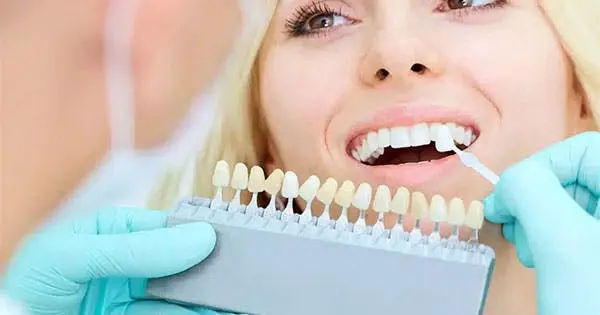
Thanks to advancements in dental science, achieving a radiant smile from the comfort of your home is simpler and more effective than ever before. With the right knowledge and the proper tools, you can safely brighten your teeth and boost your confidence with lasting results. To learn more about available options, check out this comprehensive guide on the best at home teeth whitening kits, which can help you navigate the most effective solutions.
Modern teeth whitening methods draw on years of scientific research, allowing you to enjoy professional-level results without frequent visits to the dentist. By understanding the science behind tooth discoloration and choosing the right products, you can maximize both the effectiveness and safety of your whitening routine. It is important to recognize that not all whitening approaches are created equal. Some methods may be better suited for certain types of staining, while others could increase tooth sensitivity if used improperly. For those seeking personalized guidance and up-to-date information about dental care, visit Advanced Smiles Marion for expert insights. Before beginning any at-home whitening regimen, it is crucial to select methods supported by research and approved by dental authorities. This approach not only helps achieve the desired results but also ensures the health and longevity of your teeth and gums.
Understanding Tooth Discoloration
To design an effective teeth whitening plan, begin by identifying the cause of discoloration. Generally, tooth stains are categorized as extrinsic or intrinsic. Extrinsic stains are found on the surface of the teeth and develop due to external factors such as regular consumption of coffee, tea, red wine, or tobacco use. These stains are typically easier to treat with over-the-counter products.
Intrinsic stains occur within the tooth structure itself and result from natural aging, certain medications, or physical trauma to the teeth. These stains may be more challenging to address and often require more intensive whitening procedures. Proper assessment helps you select the method most likely to provide lasting, noticeable improvement.
Effective Whitening Agents
When seeking effective home whitening treatments, focus on products with hydrogen peroxide or carbamide peroxide. Hydrogen peroxide is a powerful bleaching agent that penetrates tooth enamel and breaks apart stain molecules. Its quick-action formula is found in many whitening strips and gels. Carbamide peroxide, on the other hand, converts to hydrogen peroxide after application. It has a slower release, providing prolonged contact for deeper stain removal, and is commonly used in whitening trays. Extensive studies confirm that both agents are safe when product instructions are followed closely. However, misuse can lead to increased gum sensitivity or irritation, so adherence to usage guidelines is vital.
Over-the-Counter Whitening Products
The home whitening market offers a variety of convenient options, each with distinct benefits. Whitening strips contain a peroxide gel on a flexible strip that adheres to your teeth, delivering uniform whitening over time. Whitening toothpastes include gentle abrasives and mild peroxide content, designed to remove surface stains during daily brushing. Whitening trays are filled with a peroxide-based gel and worn over teeth, ensuring even, thorough exposure for more significant whitening. Maximize results by maintaining a consistent routine and following all directions provided by product manufacturers. Regular use is necessary to reach your optimal shade, and overuse should be avoided to prevent enamel damage. For detailed guidelines, WebMD’s tooth whitening resources offer authoritative insights.
Natural Remedies: Proceed with Caution
Baking soda and oil pulling are popular natural methods, but research shows these are generally less effective than commercial whitening agents. While mild abrasives like baking soda may temporarily lighten extrinsic stains, overuse can erode enamel. Tooth sensitivity and greater susceptibility to future staining can result if natural remedies are not used sparingly. Always balance effectiveness and safety when considering home remedies, and consult with a dental professional if unsure.
Maintaining Whitening Results
For lingering whiter teeth, maintenance is everything. Adopt a solid oral hygiene routine by brushing at least twice daily and flossing to remove stain-forming residue. Limit foods and drinks known to cause staining, especially coffee, tea, and red wine. Using a straw helps direct liquids away from teeth, reducing exposure to stain compounds. Lastly, schedule periodic dental cleanings, which play a key role in keeping your smile bright and preventing the buildup of new stains.
When to Consult a Professional
If home whitening products fail to provide desired results or if you experience persistent discomfort or sensitivity, make an appointment with your dentist. Dental professionals can diagnose the cause of discoloration more precisely and recommend specialized treatments, ensuring your whitening plan is both safe and effective.
Conclusion
Enhancing your smile with modern teeth whitening is achievable with the right approach. By understanding the underlying causes of stains, selecting science-backed methods, and maintaining healthy oral habits, you can enjoy a bright, confident smile long-term. Remember that oral health is ongoing, and a healthy smile depends on routine care as much as whitening treatments.
Also Read-Dehumidifiers and Respiratory Health: What Research Shows