
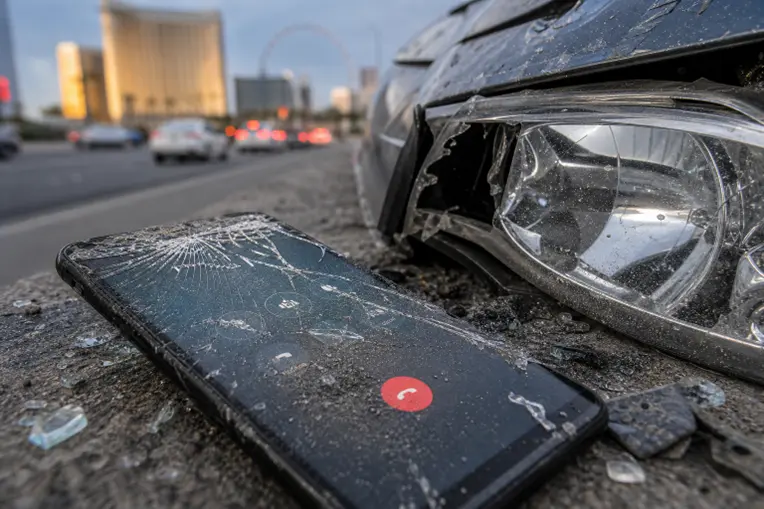
A hit-and-run crash in Las Vegas can leave you with injuries, vehicle damage, and no clear way to identify the person responsible. Although the other driver’s decision to flee complicates the situation, the actions you take in the first hours and days can protect your health and preserve important evidence. Speaking with a Las Vegas car accident attorney may also help you understand the available options when the at-fault driver cannot be located.
For many injured people, uninsured and underinsured motorist coverage, commonly called UM/UIM coverage, may become an important part of the recovery process. The coverage available depends on the policy language, selected limits, exclusions, the evidence of fault, and the facts of the collision. A hit-and-run claim should be treated seriously, even when the initial damage appears minor.
What UM/UIM Coverage May Do After a Hit-and-Run
UM coverage generally addresses injuries caused by an at-fault driver who has no insurance or cannot be identified, while UIM coverage may apply when the at-fault driver has insurance but not enough liability coverage to fully pay covered losses. In Nevada, UM/UIM coverage is optional for motorists to buy, but insurers must offer it with qualifying auto policies. The Nevada Division of Insurance explains that UM/UIM coverage can help cover injuries to insureds and passengers when an at-fault driver is uninsured or underinsured.
Coverage is not automatic simply because another driver left the scene. The insurer may evaluate whether a covered accident occurred, whether the unknown driver caused it, whether proper notice was provided, and what damages resulted. Read the declarations page and full policy carefully. Pay particular attention to UM/UIM limits, reporting duties, medical payments coverage, collision coverage, deductibles, and exclusions.
Immediate Steps After the Other Driver Flees
Put Safety Before Information
Do not follow or chase the fleeing vehicle. A pursuit can create another collision, place you in danger, and make it harder to give law enforcement a clear account of what happened. Pull over safely if possible, turn on hazard lights, and move away from active traffic. Call 911, especially if anyone is injured, traffic is blocked, there is debris in the roadway, or the other driver may be impaired.
Give the Police the Best Description You Can
Tell the dispatcher and responding officers everything you remember, even if the details seem incomplete. Useful facts may include the vehicle’s make, model, color, body style, damage, license plate characters, decals, direction of travel, and the driver’s physical description. Avoid filling gaps with guesses. A partial plate number or a description such as “dark SUV with front-end damage headed north on Las Vegas Boulevard” may still help investigators locate the vehicle.
Evidence That Can Support a Hit-and-Run Claim
Evidence can disappear quickly in a busy area such as the Las Vegas Strip, downtown, or a major freeway interchange. If you can do so safely, use your phone to photograph the overall scene, vehicle positions, damage, skid marks, broken parts, traffic controls, nearby businesses, and lighting conditions. Preserve the original images rather than editing or deleting them.
Ask witnesses for their names, phone numbers, and a short description of what they saw. Nearby hotels, stores, apartment buildings, parking garages, and rideshare vehicles may have cameras, but recordings can be overwritten quickly. Make a written timeline while your memory is fresh, including the exact location, approximate time, weather, traffic conditions, and everything said by witnesses or officers.
Medical Care and Delayed Symptoms
Adrenaline can mask pain after a collision. Neck stiffness, headaches, dizziness, numbness, back pain, nausea, sleep problems, and trouble concentrating may appear later. Seek prompt medical evaluation if symptoms develop, worsen, or concern you. Follow discharge instructions and attend recommended follow-up appointments.
Medical records help connect the collision to the treatment you receive. Keep copies of visit summaries, diagnostic testing, prescriptions, therapy plans, work restrictions, bills, and mileage or transportation costs. Do not assume that low visible vehicle damage means there could not be a meaningful injury.
Reporting the Claim to Your Insurance Company
Report the incident to your insurer as soon as reasonably possible and provide the police report number when it becomes available. Explain that the crash involved a hit-and-run driver, then ask which benefits may apply under your policy. Coverage questions may involve UM/UIM bodily injury coverage, MedPay, collision coverage for vehicle repairs, rental reimbursement, and towing coverage.
Keep a claim file that includes the adjuster’s name, claim number, dates of calls and emails, repair estimates, medical documents, and payment offers. Nevada law requires insurers to offer certain uninsured and underinsured vehicle coverage with qualifying policies, but the statute and the policy language still control the details of a specific claim.
Common Mistakes to Avoid
- Leaving without calling the police. A timely report creates an official record and may help locate witnesses or video.
- Chasing the other vehicle. Your safety matters more than obtaining identifying details.
- Waiting too long to report the claim. Policies commonly require prompt notice and cooperation.
- Speculating about fault or injuries. State the facts you know and avoid guesses about speed, distance, or medical outcomes.
- Posting about the collision online. Social media posts, photos, and comments can be misunderstood or used to challenge a claim.
- Accepting a quick settlement without understanding it. A release may end the right to seek additional payment for covered losses.
Special Issues in Las Vegas Hit-and-Run Accidents
Las Vegas crashes can involve tourists, rental cars, taxis, delivery drivers, rideshare vehicles, commercial trucks, motorcycles, pedestrians, and heavy nighttime traffic. These facts can create additional evidence sources, but they may also add insurance complications. A passenger should save trip confirmations, driver details, app messages, and screenshots. A worker driving for an employer should preserve dispatch records and promptly notify the employer.
If the fleeing driver is eventually found, do not assume their policy limits will cover every loss. UIM coverage may be relevant when the driver carries liability insurance, but the available limits are insufficient. Multiple policies or parties may also be involved, particularly in commercial or rideshare cases.
When Legal Guidance May Be Helpful
Professional legal advice may be useful when there are serious injuries, disputed fault, a denied UM/UIM claim, a missing police report, multiple insurance policies, a commercial vehicle, or pressure to settle quickly. An experienced review can help identify evidence, clarify insurance obligations, and assess deadlines that may apply to the situation.
A hit-and-run accident can be disorienting, but a careful response can make a meaningful difference. Focus first on safety and medical care, report the collision, preserve evidence, review your insurance policy, and keep a clear record of every step you take.
Also Read-Best SEO Agencies in Australia for SaaS and Tech Brands