
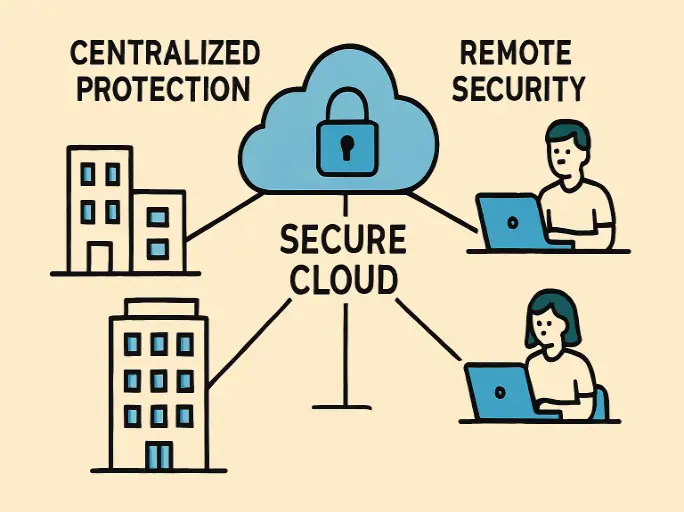
Modern organizations are increasingly adopting cloud-delivered security solutions to safeguard their networks against advanced cyber threats. Cloud-based platforms provide scalability, flexibility, and sophisticated tools that keep pace with the constantly evolving cybersecurity landscape. As businesses expand remote work and digital operations, deploying solutions such as Secure Access Service Edge (SASE) offers policy-driven, comprehensive protection that adapts to varying user locations and network conditions. For those unfamiliar, understanding what is SASE is crucial: it combines network and security functions in a unified, cloud-based framework, enabling consistent enforcement of security policies. By understanding how SASE works and aligning deployment strategies accordingly, organizations can better protect critical infrastructure and sensitive data from modern cyber threats.
Companies must adapt to evolving threats targeting their assets both inside and outside traditional perimeters. Cloud-delivered security models do not depend on physical infrastructure, enabling robust, real-time defense no matter where employees connect or business applications reside. The reduction in reliance on legacy security is driving IT professionals to prioritize next-generation frameworks that address security, agility, and cost demands.
Understanding Cloud-Delivered Security Services
Cloud-delivered security services are a diverse suite of tools and platforms designed to protect organizational networks using cloud-based technology. Key offerings include Secure Access Service Edge (SASE), Zero Trust Network Access (ZTNA), and advanced cloud-based firewalls. These services operate entirely in the cloud, reducing the need for costly on-site hardware and allowing for centrally managed, consistent security enforcement. According to Cisco’s insight on SASE, organizations can more efficiently adapt to shifting security requirements and remote work trends by leveraging these systems.
Benefits of Cloud-Based Security Solutions
Organizations are benefiting from cloud-based security for several reasons:
- Scalability: Cloud security automatically scales up or down in response to business growth or contraction, without capital outlays.
- Flexibility: IT teams can protect users working from varied locations, including home offices and traveling endpoints, with identical security standards.
- Cost-Effectiveness: Transitioning to the cloud removes the need for costly, aging on-premises appliances and lowers ongoing maintenance costs.
- Enhanced Threat Detection: Integrating AI and advanced analytics into cloud platforms enables rapid detection of both traditional and emerging threats.
Implementing Zero Trust Architecture
Zero Trust Architecture (ZTA) is rapidly becoming a cornerstone of corporate network security. Its principle, “never trust, always verify”, requires that every user and device be authenticated and validated before being granted access to any resource, regardless of location. To implement ZTA effectively, companies should:
- Take inventory of all network assets, including devices, users, applications, and data.
- Develop granular, identity-based access policies that factor in user role, device health, and context.
- Monitor network activity continuously to detect threats or abnormal behavior promptly.
- Regularly refine security policies and controls to close emerging vulnerabilities proactively.
For a broad industry perspective on Zero Trust, review guidance from Cisco’s coverage of Zero Trust cybersecurity trends.
Integrating Cloud Security with Existing Infrastructure
Adopting cloud security does not require abandoning existing on-premises systems. Integration is often necessary for hybrid environments, and successful implementations hinge on a few critical steps:
- Perform a comprehensive security assessment to identify risk areas in current setups.
- Ensure compatibility between new cloud platforms and legacy tools to prevent disruption or loss of visibility.
- Educate and train staff on cloud-specific security practices so procedures remain effective during and after the transition.
- Establish robust governance and compliance policies to satisfy legal, industry, and customer data requirements.
Through thoughtful integration, organizations maintain operational continuity and improve their overall defense capability.
Monitoring and Maintaining Security Posture
Ongoing vigilance is essential for a secure network. Effective organizations deploy these strategies:
- Use real-time monitoring systems to track and respond to network activity.
- Run regular security audits and penetration tests to spot gaps before attackers do.
- Update protective measures and software to address newly identified threats and vulnerabilities.
- Develop a robust incident response plan to minimize the impact of any breach.
As technology evolves, so do the strategies required to keep networks resilient and adaptive.
Case Study: Successful Cloud Security Implementation
A multinational enterprise recently migrated to a cloud-delivered security posture using a holistic SASE approach. The company realized measurable improvements:
- Boosted network performance by consolidating and optimizing data traffic flow through the cloud.
- Centralized threat detection and response using integrated security dashboards and analytics.
- Lowered expenses by retiring redundant local hardware and consolidating vendor contracts.
- Increased agility, reducing the time to deploy new security controls and respond to incidents from days to minutes.
This case illustrates that a strategic shift to cloud-delivered security improves cyber defense, business agility, and operational efficiency.
Future Trends in Cloud-Delivered Security
The future of cloud-delivered security services is marked by rapid innovation and adaptation. Key movements shaping tomorrow’s security landscape include:
- Wider deployment of artificial intelligence to detect, analyze, and mitigate threats faster than human-driven processes.
- Harnessing Zero Trust principles across every network layer for granular, pervasive protection.
- Extending advanced security controls to the growing network of Internet of Things (IoT) and edge devices.
- Advances in encryption and privacy technology to protect sensitive information across distributed environments.
Maintaining awareness of these trends is essential for organizations to anticipate shifts in risk and technology. For more on these fast-moving developments, visit Cisco’s analysis on cloud security trends.
Conclusion
Cloud-delivered security services are transforming how organizations protect their networks and digital assets. By aligning with best practices such as Zero Trust, seamlessly integrating solutions with existing systems, and committing to continuous monitoring and improvement, businesses can ensure resilient security defenses. As threats continue to evolve, cloud platforms provide the scalability, agility, and intelligence necessary to remain ahead and minimize risk across distributed workforces and dynamic network environments.
Also Read-
- Improving ROI Through Smart Aviation Technology Investments
- On Cloud & Common Projects Top Sneakers for Comfort and Style 2026
- Why the PRINCE2 Framework Matters for Aspiring Project Managers