
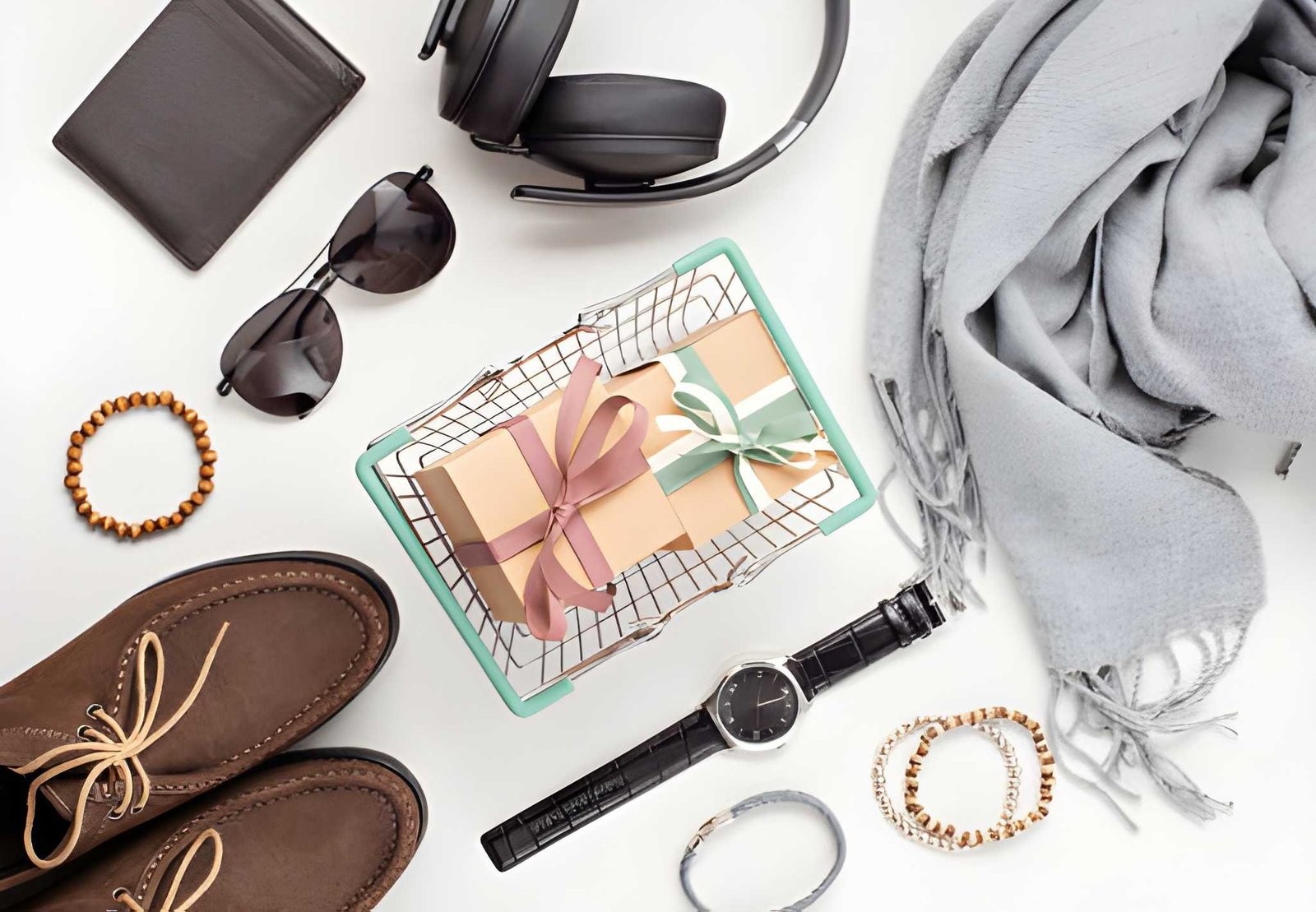
A good watch or accessory should not feel exciting for one afternoon and useless two weeks later. I have made that mistake before, especially with trend-driven pieces that looked better online than they did with my actual clothes. Smart Buying Habits for Watches, Gifts, and Accessories help you slow down, compare value, and choose items that earn their place in daily life.
The goal is not to buy the most expensive piece. It is to buy the right piece for your wrist, wardrobe, lifestyle, and budget.
Why Smart Buying Starts Before You Shop
The smartest purchase begins before you open a product page. I use one simple question first: “Where will this fit into real life?”
That question instantly filters out impulse buys. A watch that looks amazing in a close-up photo may feel too bulky at a desk. A bold bracelet may not match office outfits. A gift may look impressive but feel awkward for the person receiving it.
The Federal Trade Commission advises online shoppers to compare products, check sellers, review return policies, and keep purchase records before buying. That matters even more with watches, jewelry, leather goods, and accessories because product photos can hide scale, material quality, and seller reliability.
For me, a smart buying habit means checking four things before checkout: daily use, material quality, seller trust, and long-term value.
Smart Buying Habits for Watches That Last
Watches carry more buying traps than most accessories. Hype, fake scarcity, influencer trends, and confusing technical terms can push you toward the wrong piece.
Start With Your Real Daily Use
Before choosing a watch, think about where you will wear it most. A daily office watch needs different features than a weekend sports watch.
For office wear, I prefer clean dials, slim cases, simple indices, and neutral straps. For travel or active days, I care more about water resistance, legibility, and comfort. For formal events, I want a watch that slips under a shirt cuff without shouting for attention.
This is also where gender-neutral watch buying becomes useful. A watch does not need to be labeled “men’s” or “women’s” to work well. A clean 34mm to 38mm case often fits many wrists and looks professional without feeling oversized.
Choose Materials That Survive Everyday Wear
Materials separate a smart purchase from a regret purchase. For a daily watch, I look for stainless steel, sapphire crystal when possible, and a strap or bracelet that matches my routine.
Surgical-grade 316L stainless steel is common in quality watches because it resists corrosion and handles daily wear well. Sapphire crystal is usually more scratch-resistant than mineral glass or acrylic, while mineral glass offers a practical mid-range balance. Acrylic has vintage charm, but it scratches more easily. Watch crystal type affects price, durability, and long-term appearance.
If the watch comes with a factory metal bracelet, buy it on the bracelet when possible. Original bracelets can cost far more later than leather or fabric straps.
Pick the Right Watch Movement
The movement changes the whole ownership experience. A quartz watch is accurate, affordable, and low-maintenance. A mechanical or automatic watch feels more traditional and can last for generations with service. A smartwatch offers health tracking and notifications but usually has a shorter useful life.
My rule is simple. If I need a reliable daily office watch, quartz is often the easiest choice. If I want craftsmanship and emotional value, automatic makes sense. If health tracking matters most, a smartwatch wins.
Buy From Retailers You Can Verify
Counterfeits are a major risk in watches and luxury accessories. A fake watch is not just a bad deal. It can have poor materials, no warranty, weak water resistance, and almost no resale value.
For luxury watches, buy through authorized dealers, brand boutiques, or trusted pre-owned platforms with authentication. The FTC’s truth-in-advertising guidance says ads must be truthful, not misleading, and backed by evidence where needed, which is a useful standard to remember when a listing promises luxury quality at a suspicious price.
When I compare watch options, I also like using practical buying resources such as the curated watch tips on Choose Top Watches because it helps frame the decision around use, style, and value instead of hype alone.
Gender-Neutral Office Watches That Actually Work
Daily office watches should feel polished, comfortable, and easy to match. The best ones do not fight your outfit.
The Best Case Size for Daily Office Wear
For most wrists, 34mm to 38mm hits the sweet spot. It looks balanced, works across gender-neutral styling, and avoids the bulk of oversized sports watches.
A 34mm watch can look refined with suits, blazers, button-downs, and knitwear. A 38mm watch adds presence without feeling loud. This range also works well for daily office wear because it slides under sleeves and stays comfortable during typing.
Minimalist Styles That Fit More Wardrobes
A smart office watch usually has a clean dial, simple hour markers, and a neutral metal tone. Silver stainless steel pairs easily with black, navy, grey, tan, white, and earth tones.
Three styles work especially well:
A Tissot Everytime-style watch gives a clean Swiss minimalist look with a 34mm case and sapphire crystal. A Timex Marlin Jet-style watch works for people who like retro-modern design and automatic movement. A Daniel Wellington Petite-style watch fits modern minimalist wardrobes with a slim case and mesh bracelet.
For office maintenance, wipe the case and bracelet weekly with a microfiber cloth. Also watch out for “desk-diving,” which happens when your bracelet rubs against a laptop or desk all day. That friction creates tiny scratches over time.
Smart Gift Buying Without Guessing Wrong
Gifting accessories can feel thoughtful, but it can also go wrong fast. The mistake I see most often is buying for your own taste instead of the recipient’s lifestyle.
Match the Gift to Their Lifestyle
A great gift fits the person’s daily routine. A fitness-focused person may use a smartwatch more than a dress watch. A corporate professional may prefer a slim analog watch. Someone who travels often may appreciate a durable leather organizer, compact jewelry case, or interchangeable strap set.
Always consider size. Watches, bracelets, belts, and rings depend on proportions. If you cannot confirm sizing, choose adjustable or flexible options.
Neutral colors also reduce risk. Black, silver, navy, brown, and soft gold tones match more wardrobes than bright seasonal colors.
Choose Personal Without Becoming Risky
Personalization can make a gift memorable. A small case-back engraving for a graduation, promotion, wedding, or anniversary can add emotional value.
Still, keep personalization subtle. Avoid engraving inside jokes or overly specific messages unless you are completely sure. Personalized items can be harder to return.
Never gift counterfeit luxury goods. A reputable budget brand is always better than a fake logo. Counterfeit products can mislead buyers and remove the trust that makes a gift feel meaningful.
Smarter Accessory Shopping for Long-Term Value
Accessories can quietly drain money because each purchase feels small. Belts, wallets, jewelry, sunglasses, bags, and straps add up fast.
Use Cost-Per-Wear Before Checkout
Cost-per-wear is one of my favorite buying tests. Divide the price by how often you expect to use the item.
A $120 leather belt worn twice a week for two years costs about 58 cents per wear. A $35 trendy belt worn three times costs more than $11 per wear. The cheaper item is not always the better buy.
This test works well for watches, handbags, wallets, sunglasses, work totes, and jewelry.
Look for Modular and Neutral Pieces
Modular accessories create more outfit options without more clutter. Interchangeable watch straps, reversible belts, neutral bags, and simple jewelry can stretch your wardrobe.
Materials matter here too. Look for full-grain leather, solid brass hardware, stainless steel, strong stitching, and scratch-resistant surfaces. For smart devices or daily leather goods, check the warranty before purchase. A one-to-two-year manufacturer warranty gives you more protection if hardware fails.
I also like comparing deals and everyday value tips through resources such as Raking in the Savingsespecially when I want a reminder to judge the full cost instead of reacting to a sale tag.
Mechanical vs Quartz vs Smartwatch: What Should You Buy?
A mechanical or automatic watch is best for people who enjoy craftsmanship, sweeping seconds hands, and long-term serviceability. It may need servicing every five to ten years, but it can last for decades with care.
A quartz watch is best for practical buyers. It keeps accurate time, costs less to maintain, and usually needs a battery change every few years.
A smartwatch is best for people who value health tracking, workouts, notifications, and tech features. The trade-off is daily charging and a shorter upgrade cycle.
For a first serious daily watch, I usually recommend quartz or automatic in a neutral design. For someone who already tracks workouts and notifications daily, a smartwatch may be the better lifestyle match.
That is the real point of Smart Buying Habits for Watches, Gifts, and Accessories. The best item is not the one with the loudest marketing. It is the one that fits the life you actually live.
FAQs
1. What are the best smart buying habits for watches?
The best habits are setting a budget, choosing the right movement, checking case size, comparing materials, buying from verified sellers, and waiting before purchasing trend-driven models.
2. What watch size is best for gender-neutral office wear?
A 34mm to 38mm case usually works best for gender-neutral office wear. It looks clean, professional, and balanced on many wrist sizes.
3. Is quartz or automatic better for a daily watch?
Quartz is better for low-maintenance daily use. Automatic is better if you value craftsmanship and do not mind occasional servicing.
Final Take: Buy Like You Mean It
Buying smarter is not about being boring. It is about refusing to waste money on pieces that only look good for a moment.
The next time you shop, pause before checkout. Ask whether the item fits your real wardrobe, your daily routine, your budget, and your long-term style. If it passes those tests, it is probably worth buying. If it only survives because it is trending, leave it in the cart.
That is how Smart Buying Habits for Watches, Gifts, and Accessories turn shopping from a guessing game into a sharper, calmer, and more satisfying decision.
Read more: Transform Your Home with Expert House Extensions – metaphorhaven.com
The Future of Secure Online Payments – metaphorhaven.com
Exploring Life Fitness: The Ultimate Guide to Health and Wellness Equipment – metaphorhaven.com