
For decades, Weight Watchers (now known as WW) has been one of the most recognizable names in the weight loss world. Its points-based system, community support, and flexible food choices helped millions of people improve their health. However, in recent years, many individuals have started exploring other options that better fit their lifestyle, budget, or personal health goals.
Today’s weight loss landscape offers a wide variety of programs—from structured meal plans and coaching communities to free educational resources and habit-based systems. Whether you’re looking for more flexibility, stronger community support, or a program that fits your budget, there are many effective approaches to sustainable weight management.
Below are some of the top weight loss programs and resources worth considering if you’re looking for an alternative path.
1. Noom: Psychology-Based Weight Loss
Noom has gained popularity for its unique approach to weight loss that focuses heavily on behavioral psychology. Instead of simply counting calories or points, Noom teaches users why they eat the way they do and how to change those habits for long-term success.
The program combines daily lessons, food tracking, and one-on-one coaching through a mobile app. Users also gain access to group support where members share progress and encouragement.
What sets Noom apart is its focus on building healthier thinking patterns. It categorizes foods by calorie density and helps users develop mindful eating habits without labeling foods as strictly “good” or “bad.”
Best for:
People who want to address emotional eating and long-term behavior change rather than following a strict diet.
2. The Holy Mess: Free Support and Practical WW Guidance
For those who enjoy the Weight Watchers philosophy but want more guidance, encouragement, or free resources, The Holy Mess offers a refreshing option. This platform is known for providing supportive weight loss advice, practical lifestyle tips, and helpful strategies inspired by the principles behind WW.
Unlike many paid programs, The Holy Mess focuses on accessible content that helps individuals stay accountable and motivated without requiring an expensive subscription. The site shares meal planning ideas, mindset tips, and realistic strategies for maintaining consistency—especially helpful for people who have struggled with weight loss programs in the past.
The community-centered approach encourages readers to focus on progress rather than perfection. You’ll find motivational articles, faith-based encouragement, and actionable advice that supports a sustainable weight loss journey.
If you’re looking for helpful resources and supportive guidance, explore this curated guide to Weight Watchers alternatives to discover practical strategies and programs that may better match your goals.
Best for:
People who want free weight loss guidance, encouragement, and insights based on the popular WW approach.
3. MyFitnessPal: Flexible Calorie Tracking
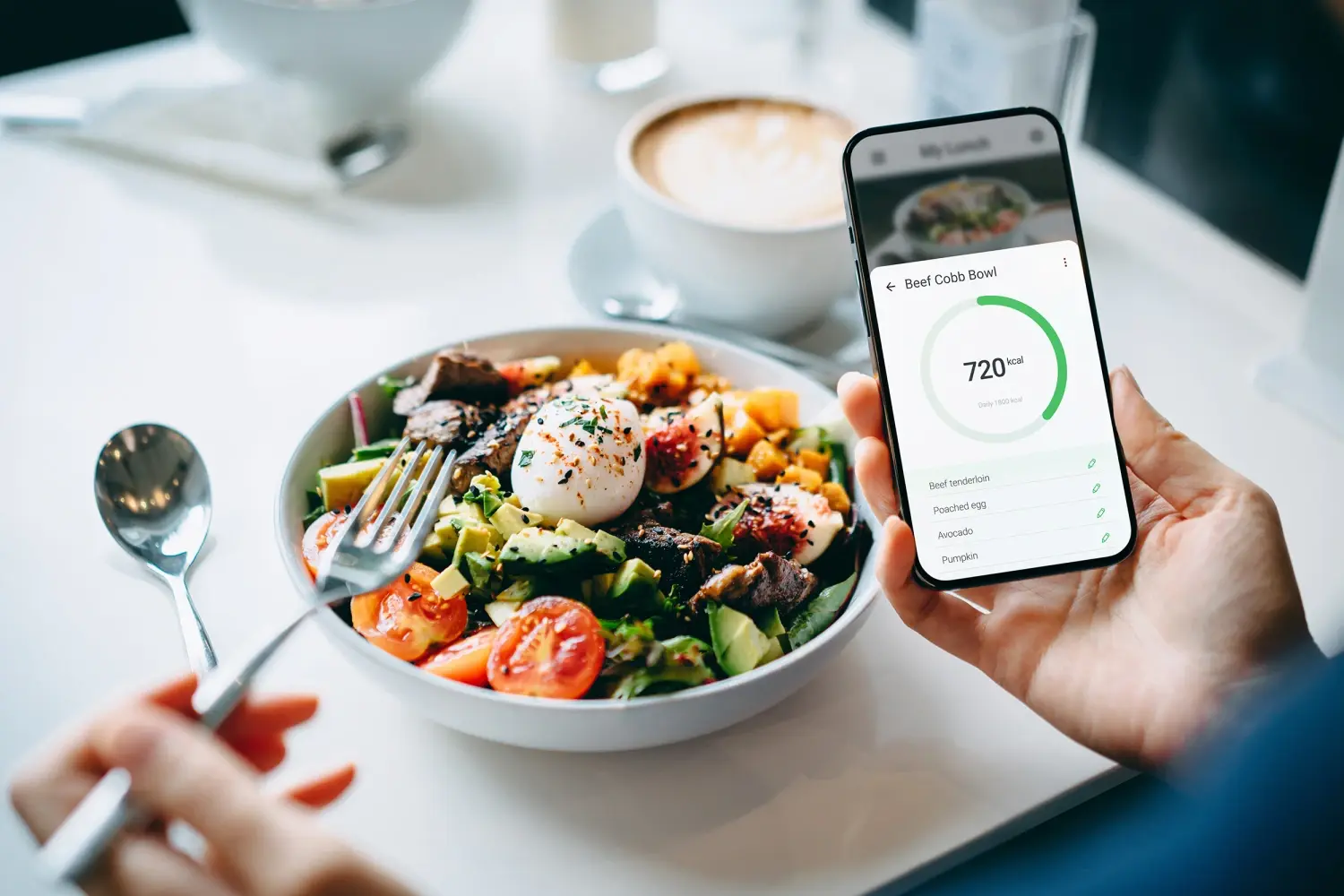
MyFitnessPal is one of the most widely used calorie tracking apps in the world. It offers a large food database, simple tracking tools, and integration with fitness devices and smartwatches.
Unlike structured programs that tell you exactly what to eat, MyFitnessPal allows users to set their own calorie goals based on weight loss targets. You can track meals, monitor macros, and analyze nutritional patterns over time.
The app also includes community forums where users exchange advice, recipes, and motivation.
Because it focuses on tracking rather than strict rules, MyFitnessPal works well for people who prefer a self-guided approach to weight management.
Best for:
Independent users who want full control over their diet while monitoring calories and nutrients.
4. Mediterranean Diet Programs: A Lifestyle Approach
Instead of focusing strictly on weight loss, Mediterranean-style programs emphasize overall health and long-term eating habits. Inspired by traditional eating patterns from countries like Greece and Italy, the Mediterranean diet prioritizes:
- Whole grains
- Fresh fruits and vegetables
- Healthy fats such as olive oil
- Lean proteins like fish and legumes
Many nutrition experts consider this one of the most sustainable and heart-healthy eating plans available. Rather than counting points or calories obsessively, the focus is on choosing whole, nutrient-rich foods and practicing moderation.
Research consistently links the Mediterranean diet with improved cardiovascular health, reduced inflammation, and sustainable weight control.
Best for:
People who want a balanced lifestyle change rather than a strict diet program.
5. PlateJoy: Personalized Meal Planning
PlateJoy offers a technology-driven approach to weight loss and healthy eating. The service generates personalized meal plans based on your dietary preferences, health goals, and cooking habits.
Users receive customized recipes and grocery lists, making it easier to stick to a healthy plan throughout the week. The platform also supports different dietary styles such as gluten-free, low-carb, vegetarian, and keto.
This type of structured meal planning removes the guesswork that often leads to unhealthy food choices.
Best for:
Busy individuals who want customized meal plans and streamlined grocery shopping.
6. Intermittent Fasting Programs: Simplifying When You Eat
Intermittent fasting has become increasingly popular as an alternative weight management strategy. Instead of focusing on what you eat, this method emphasizes when you eat.
Common fasting schedules include:
- 16:8 method: Fasting for 16 hours and eating within an 8-hour window
- 5:2 method: Eating normally for five days and reducing calories for two days
Many people find intermittent fasting easier to maintain because it simplifies decision-making around food. While it’s not ideal for everyone, research suggests it may help support fat loss and metabolic health.
However, it’s important to approach fasting carefully and ensure nutritional balance during eating periods.
Best for:
People who prefer structured eating windows rather than constant calorie tracking.
Choosing the Right Weight Loss Program for You
The best weight loss program isn’t necessarily the most popular one—it’s the one that fits your lifestyle, mindset, and personal goals.
When evaluating alternatives to WW, consider the following factors:
Sustainability
Can you realistically maintain this approach for months or even years?
Budget
Some programs require subscriptions, while others offer free resources and community support.
Support System
Accountability can make a big difference. Some people thrive with coaching, while others prefer independent tracking tools.
Lifestyle Fit
A program should complement your daily routine, not disrupt it.
Ultimately, sustainable weight loss is about building habits that support your long-term health. Whether you choose a psychology-based app, a community resource, or a flexible tracking tool, consistency and balance are what truly make the difference.
Final Thoughts
Weight loss journeys are deeply personal, and what works for one person may not work for another. Fortunately, the modern wellness space offers more options than ever before. From behavioral coaching apps to free support communities and flexible meal planning services, there are many ways to build a healthier lifestyle.
Exploring alternatives allows you to discover strategies that align better with your preferences, schedule, and motivation style. With the right tools and mindset, achieving lasting results becomes far more realistic—and far more enjoyable.
Also READ
- How to Choose Reliable Tree Services in Davidson County, TN
- Metaphors for Trees: 38+ Creative Ways to Describe Growth, Strength, and Life
- Stud Meaning Slang: What “Stud” Means in Text, Chat & Social Media