
Key Takeaways
- Cornhole is easy to learn, fun for all ages, and suitable for casual or competitive play.
- Standard equipment includes two 48×24-inch boards and eight 14–16 oz bags.
- Boards should be 27 feet apart on level ground with marked pitcher’s boxes for fair play.
- Scoring: 1 point for a bag on the board, 3 points for a bag in the hole; games often play to 21 points.
- Consistent underhand throws with a gentle arc improve accuracy and control.
- Beginner strategies include blocking, sliding, and airmail throws to gain an advantage.
- Joining local leagues and online communities enhances skills and enjoyment.
- Understanding rules, equipment, and basic tactics helps new players become confident and competitive.
Introduction to Cornhole
Cornhole, widely known as bean bag toss, has captured the attention of people at backyard barbecues, lively tailgates, and dedicated local tournaments. Its blend of simple rules, strategic gameplay, and fun social atmosphere makes it a favorite among people of all ages. Whether you are looking to unwind with friends or want to develop your skills for more competitive play, getting started in cornhole is easy. If you are interested in finding premium equipment or learning more, Cornhole Worldwide is a leading resource for players at every level.
The objective of cornhole is to score points by tossing bean bags onto a raised platform and aiming for a hole at its end. The game has grown from a casual backyard pastime into a widely played sport, thanks in part to its simple setup, accessibility, and the excitement it brings to any gathering. From neighborhood parties to competitive circuits, cornhole brings people together and encourages friendly competition.
Learning the ropes offers more than just entertainment; it helps hone your hand-eye coordination, lets you master tactical moves, and introduces you to a welcoming community of fellow enthusiasts. Before diving into organized play, it’s useful to understand the basics.
Understanding the Equipment
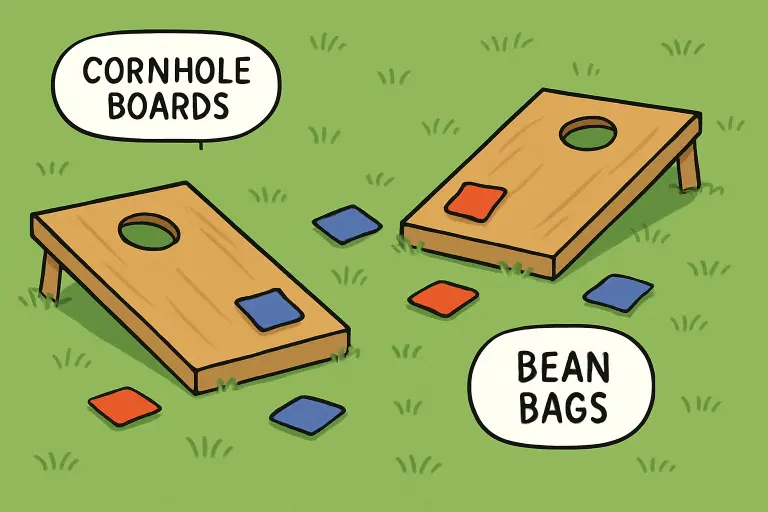
The foundation of enjoyable cornhole play lies in having the right equipment. A standard setup includes two rectangular boards and eight bags. Boards measure 48 inches long by 24 inches wide, with a centrally located hole. Traditionally, both recreational and tournament boards are made of sturdy wood to withstand repeated play and provide a consistent tossing surface.
Cornhole bags must be durable to handle frequent throws, measuring 6 by 6 inches and weighing between 14 and 16 ounces. These are typically filled with materials such as corn kernels or resin pellets, the latter offering increased longevity and weather resistance. High-quality bags and boards not only increase the fairness of the game but also ensure a better playing experience for everyone involved.
Setting Up the Game
Setting up the regulations is key to a smooth game. Start by positioning the two boards 27 feet apart, measuring from their front edges. Ensure the boards rest on level ground so the tosses do not roll or bounce unpredictably. Mark out pitcher’s boxes on each side of the boards to indicate where players should stand and throw from. This arrangement ensures everyone enjoys fair conditions and makes games run more smoothly, whether on grass, pavement, or another flat surface.
Basic Rules and Scoring
While cornhole is easy to pick up, understanding the rules is fundamental to an enjoyable game. Each team or individual in singles games tosses bags toward the opposing board, taking turns. Scoring is straightforward: a bag on the board counts for 1 point, while a bag in the hole scores 3 points. In each round, only one team is awarded points; the totals from both teams are compared, and the difference is given to the higher-scoring side in that round.
Games typically proceed until a team reaches exactly 21 points. There are variations, but many groups use a rule that penalizes scoring above 21, requiring strategic scoring as you approach the final points. This simple scoring method keeps games competitive and exciting, encouraging both offensive and defensive tactics.
Throwing Techniques
A successful toss is the heart of cornhole. Most players use an underhand grip and a smooth, pendulum-like motion for consistency. Focus on generating a gentle arc, allowing the bag to land softly on or slide into the hole. Practice a stable stance, experiment with finger placements, and adjust your release point until you find a rhythm that feels natural. Over time, consistent throws will improve your accuracy and help you develop your personal style.
Strategies for Beginners
Even at the beginner level, developing and using basic strategies can make a noticeable difference. Blocking is a classic move, where you land a bag in front of the hole to disrupt your opponent’s path to higher points. The airmail is a high-arcing throw aimed directly into the hole, bypassing obstacles. Sliding, another effective tactic, involves skimming the bag across the board to position it favorably or nudge other bags. Gradually, you will identify which techniques work best against various opponents and in different scenarios.
Joining the Cornhole Community
Cornhole has an active and welcoming community, both locally and online. Connecting with others through organized leagues, casual meetups, or digital groups can quickly build your confidence and enjoyment of the game. Many cities have recreational cornhole leagues where you can play for fun or get experience at higher levels of competition. Mobile apps make it easy to find tournaments and keep track of your stats, so you can measure progress as you develop your skills. Social media groups and forums also provide opportunities to discuss techniques, find equipment tips, and stay informed about larger events.
Final Thoughts
Cornhole’s rise in popularity is no accident. Its blend of straightforward rules, tactical depth, and social engagement makes it accessible for newcomers and challenging for experienced players. Investing time in understanding the equipment, following the rules, and incorporating simple strategies can transform you from a casual participant into a skilled and confident player. Whether your goal is to win your backyard tournament or compete in larger leagues, enjoying the game and connecting with others is at the heart of the cornhole experience.
Also Read
- How Smart Technology Is Changing Luxury Home Living
- How NDIS Disability Day Programs Encourage Learning, Friendship, and Independence
- Metaphors for Pregnancy: 30+ Powerful Ways to Describe the Journey of Life