
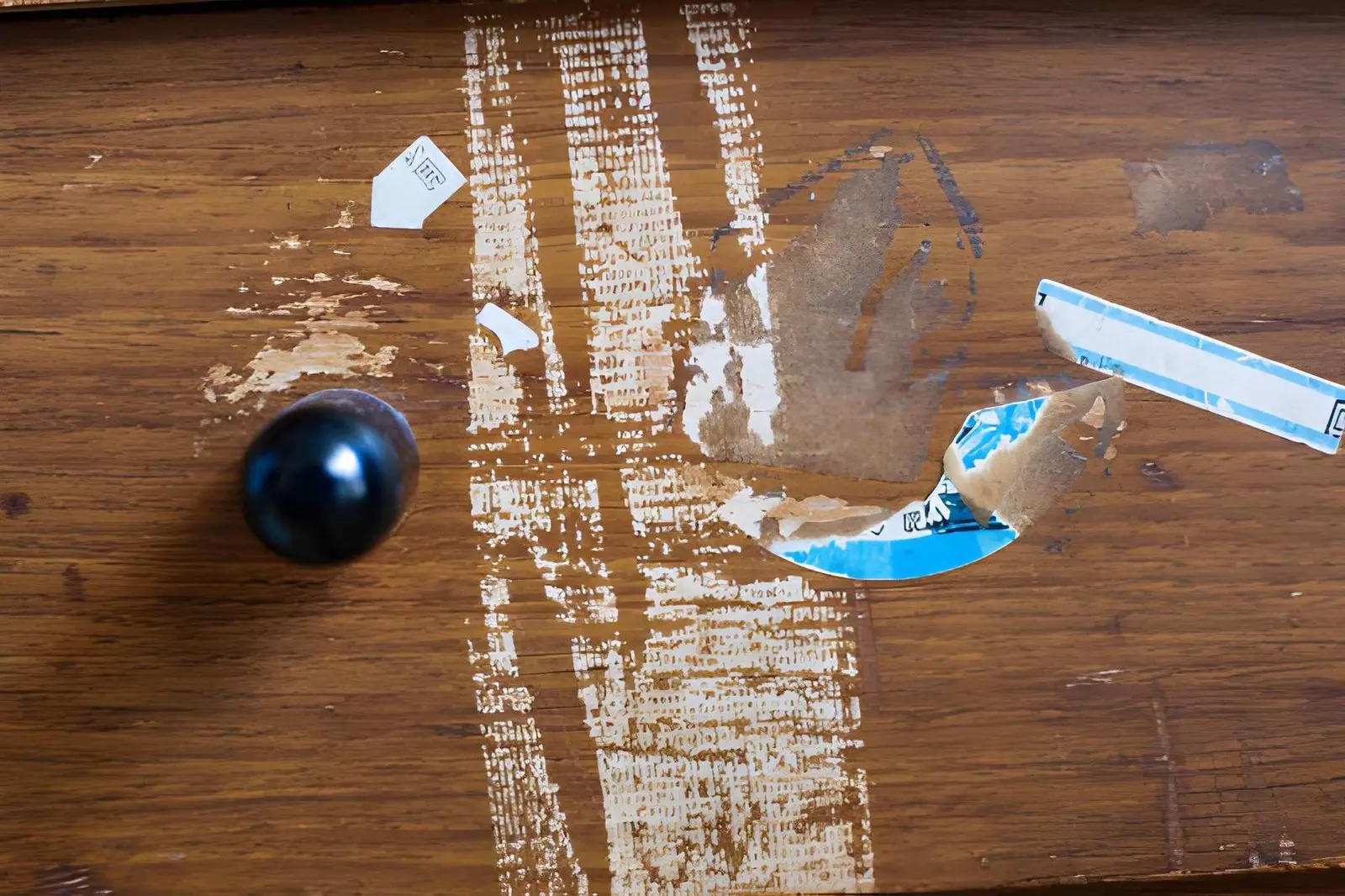
There’s a specific kind of post-move grief that comes from unwrapping a piece of furniture you’ve owned for a decade and finding a gouge in the finish that wasn’t there before. Not catastrophic. Not worth filing a claim over. Just a permanent reminder that something went wrong during the hours when your belongings were entirely out of your control. If you’ve been there, you already know that the feeling isn’t really about the scratch — it’s about the preventability of it. Almost every piece of furniture damage that happens during a move is, in retrospect, the result of a specific packaging decision that could have gone differently. The moving crews that prevent this most consistently aren’t operating on instinct — they follow a system, and some of the most energetic, detail-oriented crews in the industry operate under names that signal exactly that culture of attentive hustle; the approach associated with services like Rock and roll movers reflects crews where wrapping and protection are treated as craft, not bureaucratic preliminary.
Packing tips for moving that actually reduce damage aren’t mysterious or expensive. They’re systematic. Professional movers don’t have magical skills — they have habits built from seeing what fails repeatedly and adjusting. The difference between a crew that delivers your furniture intact and one that delivers it with corners rubbed through the finish is almost entirely a question of materials, method, and sequence. This guide documents that difference in enough detail to be practically useful, whether you’re packing yourself or supervising a crew. The moving house packing guide that follows is organized around the actual failure modes that produce furniture damage — not around a generic list of supplies. Understanding why a technique works is, in practice, what makes the difference between applying it correctly and applying it just closely enough to still cause the problem you were trying to avoid.
Why Standard Moving Blankets Aren’t Enough (And What to Use Instead)
The moving blanket is the most visible symbol of professional furniture protection, and also the most misunderstood. It’s not a universal solution — it’s one layer in a system, and its effectiveness depends entirely on how it’s applied and what’s underneath it. A moving blanket draped loosely over a piece of furniture and secured with a single rubber band provides almost no protection against the specific type of damage that happens most frequently in transit: corner impact and surface abrasion from shifting during transport.
How to pack furniture for moving at a professional level means understanding that blankets protect against surface contact, not structural impact. For corners and edges — the points that take damage when a piece shifts in a truck or contacts another item — the correct material is edge protectors: L-shaped foam or cardboard strips that clamp over corners before the blanket goes on. Professional packing services use these on every piece of solid wood or veneer furniture because corners represent approximately 60% of all furniture damage claims, according to data compiled by the American Moving & Storage Association. Two dollars of edge protection prevents the majority of the most common damage category.
The layering sequence matters as much as the materials. The professional approach is: remove all hardware and store it in a labeled bag taped to the underside of the piece; apply edge protectors to all corners; wrap exposed surfaces with furniture pads or moving blankets, secured with stretch wrap (not tape, which leaves adhesive residue on finished surfaces); then apply an outer layer of stretch wrap over the entire piece to compress the padding and eliminate any loose sections that can shift. Stretch wrap over a blanket is not optional — it’s the element that keeps the blanket functioning as designed during the six hours of vibration and lateral movement that a truck journey involves.
The Disassembly Decision — When It Helps and When It Creates New Problems
Safe moving tips from experienced furniture handlers consistently include disassembly advice — but the advice is more nuanced than “take it apart.” The question isn’t whether a piece of furniture can be disassembled; it’s whether disassembly reduces the risk of damage more than it introduces new risk through reassembly quality, hardware loss, or joint stress during the disassembly process itself.
The general framework is this: manufacturer-designed modular furniture — bed frames with standard bolt connections, shelving units with cam-lock fasteners, dining tables with removable legs — is designed to disassemble and reassemble cleanly, and should always be disassembled for a move. This eliminates leverage risk (a leg extending beyond the furniture body catches doorframes and creates crack points), reduces the effective volume of the piece, and makes wrapping more thorough. Before disassembly, photograph every joint and connection from two angles. Hardware goes into labeled zip-lock bags, which are then taped to the main body of the piece — not packed separately, where they will be impossible to find during reassembly.
Antique and custom-built furniture is, nadо zametit’, a different category that requires a different calculation. Hand-cut joinery, original glued connections, and period hardware are all vulnerable to disassembly damage in ways that modern manufactured joints are not. A Victorian wardrobe with original tenon joints should be moved as a complete unit with exceptional external protection rather than disassembled — the risk of damaging the joint geometry outweighs the logistical convenience of working with smaller pieces. When in doubt, the rule is: if you can’t reassemble it to original standard in your current environment with your current tools, don’t disassemble it at all.
| Furniture Type | Disassemble? | Key Risk If You Don’t | Key Risk If You Do |
| Modern bed frame | Yes | Leverage damage to legs/rails | Minimal if hardware labeled |
| Modular sofa | Yes | Too bulky to navigate safely | Reassembly alignment |
| Antique wardrobe | No | Surface damage to corners | Joint damage, irreversible |
| Dining table (removable legs) | Yes | Leg catch on doorframes | Low if photographed first |
| Bookshelf (flat-pack origin) | Yes | Weight shift during carry | Cam-lock wear over time |
Appliances, Electronics, and the Packing Mistakes That Void Warranties
This section addresses a category that falls between furniture and packing in most moving guides — and therefore gets handled correctly by almost nobody. Large appliances and electronics represent some of the highest per-item replacement costs in any household move, and they’re also subject to specific packing requirements that, if ignored, can void manufacturer warranties and make insurance claims impossible to process.
Refrigerators must be defrosted and dried for a minimum of 24 hours before transport — residual moisture causes mold during transit and can damage the compressor if the unit is tilted. They should be transported upright wherever possible; if horizontal transport is unavoidable, the unit must remain upright for at least 24 hours after arrival before being plugged in, to allow compressor oil to settle. Washing machines require drum stabilizers — transit bolts that were included with the original packaging — to prevent the drum from moving during transport. Moving a washing machine without transit bolts, or without improvised drum immobilization, routinely results in bearing damage that manifests as vibration during operation and isn’t immediately visible.
Flat-screen televisions deserve specific mention in any professional packing services discussion because they’re consistently damaged by the same mistake: improper padding on the screen surface. Bubble wrap directly on a screen surface concentrates pressure at bubble contact points and can create permanent marks on the panel. The correct material is foam sheeting — flat, consistent, with no air pockets — applied across the entire screen surface before any outer wrapping. The original box, if available, is always preferable because it was engineered specifically for the item’s fragility profile. Without the original packaging, a custom flat-pack crate with foam lining is the professional standard.
The Truck Loading Sequence That Prevents Transit Damage
The best furniture packing in the world produces nothing if the loading sequence undermines it. Transit damage, what’s especially important to understand, rarely comes from a single impact — it comes from cumulative shifting over the duration of the journey, and shifting is entirely a loading architecture problem.
The professional loading sequence follows a consistent logic:
- Heaviest, most structurally rigid items (appliances, solid wood furniture, bed frames) load against the cab wall — the most stable position in the truck
- Mattresses and large upholstered pieces load along the walls as vertical buffers between hard items
- Medium-weight boxes load in the center, floor to ceiling, with heavier boxes at the base
- Fragile items and art load last, against the rear doors, where they can be wedged and monitored
- Every horizontal surface gets covered before the next layer loads — nothing floats unsupported
Stretch wrap between pieces in contact with each other — not just on individual items — is the single most underused technique in amateur packing. A layer of stretch wrap between a wooden chair and the adjacent bookcase eliminates the surface-to-surface abrasion that generates the majority of finish damage during transit. It costs approximately 30 seconds per application. Start applying the packing techniques in this guide from the disassembly phase, work through the wrapping sequence, and load with the architecture described above — and the scratch on the dresser becomes the exception rather than the expectation.
Also Read
- 35+ Creative Metaphors for Technology (With Meanings & Examples)
- Metaphors About Growing Up: 31+ Powerful Ways to Describe Life’s Journey
- Metaphors for Trees: 38+ Creative Ways to Describe Growth, Strength, and Life