
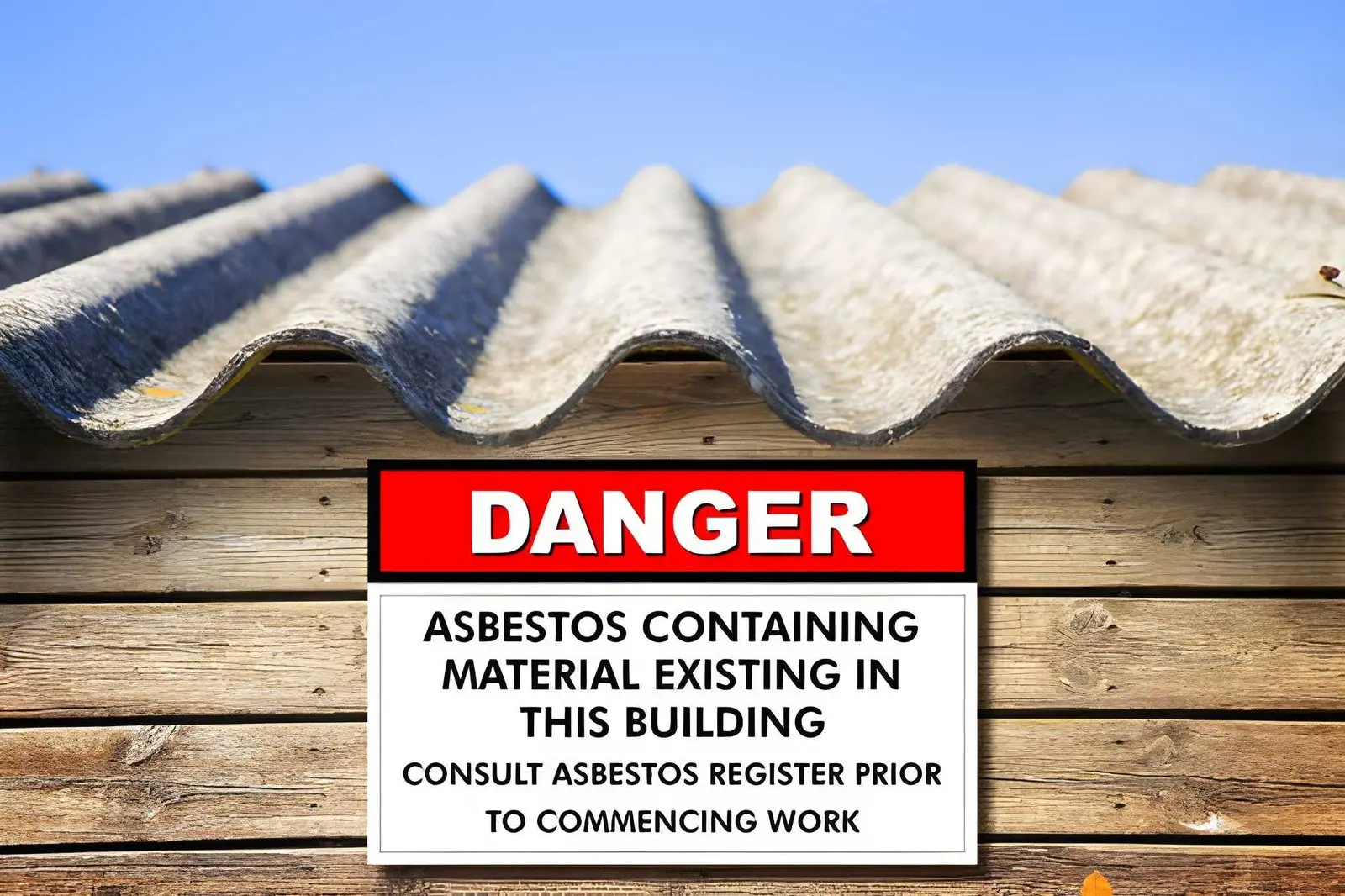
Home renovations and improvements are exciting milestones for many families. Whether you’re updating an old kitchen, remodeling a bathroom, or restoring a classic home, these projects can make living spaces more comfortable and functional. However, if your house was built several decades ago, there’s a hidden risk that homeowners should consider before starting any renovation work: asbestos.
For many years, asbestos was widely used in construction materials because it was strong, heat-resistant, and inexpensive. While it was once considered a practical building material, we now know that asbestos can pose serious health risks when disturbed. Understanding how asbestos removal works—and why it’s important—can help homeowners protect their families during renovation or repair projects.
Why Asbestos Was Common in Older Homes
Between the 1940s and the late 1980s, asbestos was used in a wide range of residential building materials. It can be found in roofing sheets, insulation, vinyl flooring, cement wall panels, ceiling tiles, and even some construction adhesives.
Builders valued asbestos because it resisted heat and fire, making it useful for insulation and safety purposes. It also added durability to building materials, which is why it appeared in so many parts of residential construction.
However, when these materials are damaged or disturbed—especially during renovations—they can release tiny asbestos fibers into the air. These fibers are extremely small and can easily be inhaled without people noticing.
Exposure to asbestos fibers has been linked to several long-term health conditions. According to information about asbestos, inhaling these fibers over time can lead to lung damage and other respiratory diseases.
Because of these health concerns, many countries introduced regulations to limit or ban the use of asbestos in construction materials.
Where Asbestos Might Be Found in Residential Properties
One of the challenges homeowners face is that asbestos is not always easy to identify. Many asbestos-containing materials look similar to standard building products.
For example, older homes may contain asbestos in roofing materials or cement sheets used for walls and fences. It may also appear in insulation around pipes or in vinyl floor tiles installed decades ago.
During renovation projects, contractors might unknowingly cut into these materials while removing walls, replacing flooring, or upgrading electrical systems.
Imagine a homeowner renovating a laundry room in a 1970s house. While removing old wall panels, the material could release dust containing asbestos fibers if it isn’t handled properly.
Similarly, someone installing new flooring might disturb older tiles or adhesives that contain asbestos.
Because the material is often hidden inside walls, ceilings, or flooring layers, professional inspections are usually required to confirm its presence.
How Professional Asbestos Removal Protects Families
Removing asbestos safely requires specialized knowledge and equipment. Unlike regular demolition work, asbestos removal must follow strict procedures to prevent contamination.
Professional removal teams begin by assessing the affected area and identifying asbestos-containing materials. Once the material is confirmed, the area is typically sealed off to prevent fibers from spreading to other parts of the home.
Workers wear protective clothing and specialized breathing equipment to prevent inhaling fibers. The asbestos materials are carefully removed using controlled techniques designed to minimize dust and airborne particles.
In many cases, surfaces are lightly dampened before removal to prevent fibers from becoming airborne. The materials are then placed into sealed containers specifically designed for hazardous waste.
After removal, the waste is transported to licensed disposal facilities for safe handling.
These precautions help ensure that asbestos fibers do not remain in the home or spread to nearby environments.
Why DIY Asbestos Removal Is Risky
Some homeowners may consider removing asbestos materials themselves, especially during small renovation projects. However, this approach can be extremely risky.
Without proper equipment and training, disturbing asbestos materials can release fibers into the air without anyone realizing it. Once airborne, the fibers can spread throughout the home and remain suspended for long periods.
For example, someone attempting to remove old ceiling panels might unknowingly contaminate nearby rooms, furniture, or ventilation systems. Even cleaning up afterward may not fully remove the fibers.
Professional asbestos removal teams are trained to manage these risks. They use specialized containment systems and air filtration equipment to prevent fibers from escaping the work area.
Hiring trained professionals helps reduce the risk of accidental exposure and protects both residents and workers involved in renovation projects.
Preparing for Renovations in Older Homes
If you’re planning renovations in a home built before the late 1980s, it’s wise to consider the possibility of asbestos-containing materials.
Before demolition or remodeling begins, a professional inspection can help determine whether asbestos is present. If found, removal specialists can safely remove the material before the renovation proceeds.
This process allows contractors to work safely without disturbing hazardous materials during construction.
Homeowners looking to understand the process and safety measures involved can learn more about residential asbestos removal to see how trained professionals assess, manage, and remove asbestos from residential properties.
Understanding the steps involved can help families approach renovation projects with greater confidence.
Protecting Health for the Long Term
The most important reason for proper asbestos removal is long-term health protection. Exposure to asbestos may not cause immediate symptoms, which makes prevention even more important.
By addressing asbestos safely during renovation projects, homeowners can reduce the risk of exposure for themselves, their families, and future occupants of the property.
Professional removal ensures that hazardous materials are identified, contained, and disposed of properly, preventing contamination within the home.
It also allows renovation work to proceed safely without creating additional risks for construction workers or neighbors.
Creating a Safer Living Environment
Renovating a home is often about improving comfort, style, and functionality. But safety should always be part of the process.
Understanding where asbestos may be present in older homes and how to handle it is an important step in responsible renovation planning.
With professional removal and proper safety procedures, homeowners can eliminate hidden hazards and create healthier living spaces for their families.
Taking the time to address asbestos correctly ensures that renovation projects not only enhance a home’s appearance but also protect the people who live there for years to come.
Also Read
- How Smart Technology Is Changing Luxury Home Living
- Beyond “Bad Luck”: Hamilton Birth Injury Lawyers Uncover the Truth
- Metaphors for Colors: 37+ Creative Examples to Add Life to Your Writing