
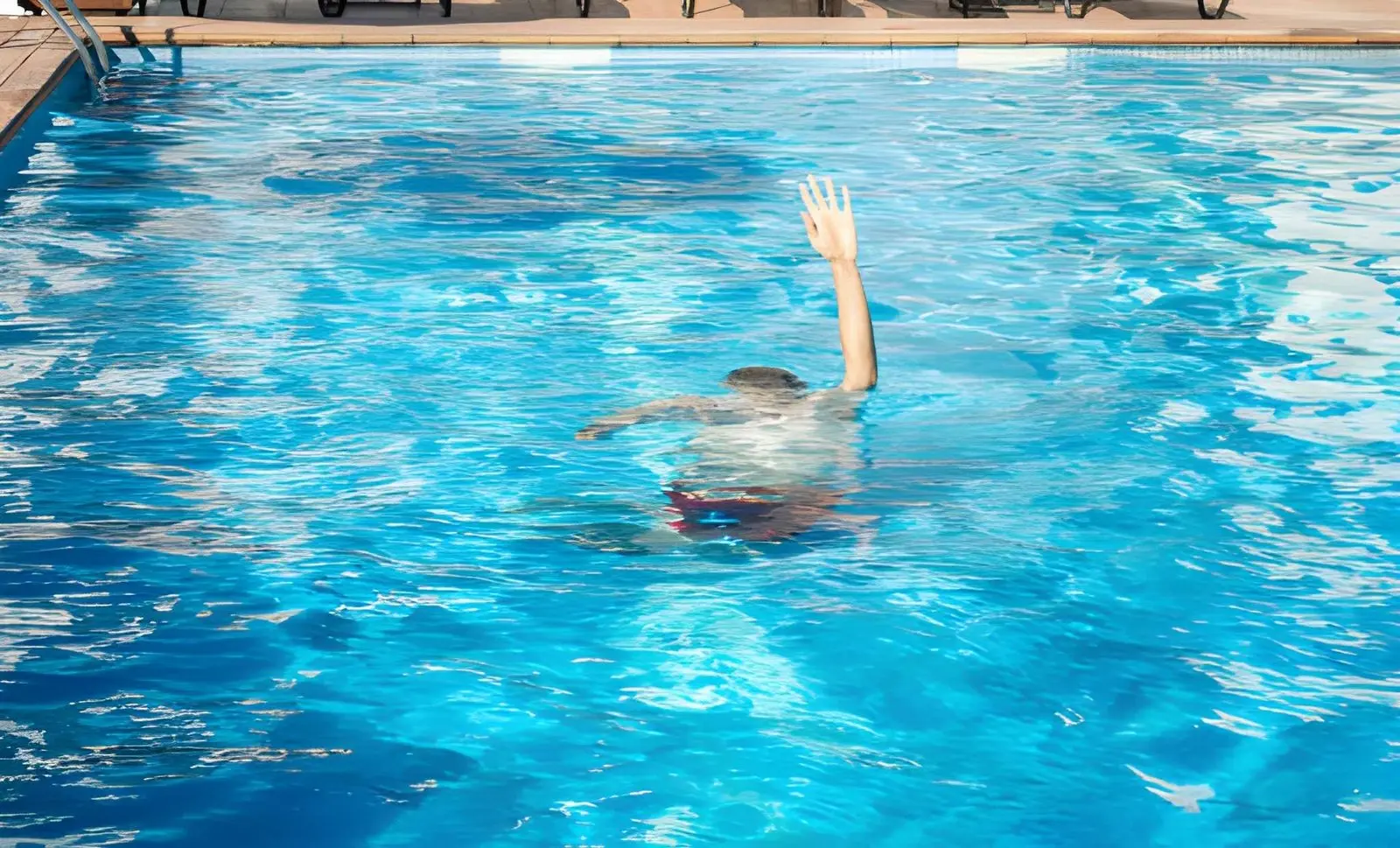
Swimming pools are a beloved part of summer for families across the country. But with more swimmers in the water comes a greater risk of serious injuries and even death. Understanding who can be held liable for a swimming pool accident is essential for victims and their families seeking justice.
The Scope of Swimming Pool Injuries in the U.S.
Between 3,500 and 4,000 people drown in the United States every year. Drowning is the leading cause of death for children under five and the second-leading cause for children under 14. These statistics make pool safety a critical legal and public health issue.
California consistently ranks among the states with the highest number of drowning incidents. From 2018 through the summer of 2022, approximately 339 people drowned in California pools alone, with 112 of those victims being children under the age of five.
Types of Injuries That Can Occur at Swimming Pools
Drowning is not the only danger associated with swimming pools. Property owners who fail to take reasonable precautions can be responsible for a wide range of serious injuries.
Secondary Drowning
Also known as dry drowning, secondary drowning occurs when a person inhales water during a near-drowning event. The fluid becomes trapped in the lungs, causing a dangerous buildup that may not become apparent for up to 48 hours after the incident.
Brain Damage from Near-Drowning
As little as four minutes without oxygen can cause lasting anoxic brain damage. When this happens to a child, the consequences can be permanent and life-altering.
Slip and Fall Accidents
Pool decks and surrounding surfaces are naturally wet and slippery. Victims of slip and fall accidents at pools can suffer fractures, spinal cord injuries, and traumatic brain injuries. Non-slip coatings can reduce the risk, but do not eliminate it entirely.
Drain Entrapment
Drains and suction fittings in pools and spas pose a serious entrapment risk, particularly for children. A swimmer can become trapped by powerful suction, even when the pool’s pumps are off.
Diving Accidents
Shallow water, improperly placed diving boards, and underwater obstacles all contribute to diving injuries. These accidents frequently result in head, neck, and spinal cord injuries that can cause permanent disability.
Who Can Be Liable for a Swimming Pool Accident?
Determining who is liable for a swimming pool accident depends on the specific circumstances involved. Multiple parties may share responsibility depending on where the accident occurred and what caused it.
Potentially liable parties include:
- Owners of residential or private swimming pools
- Owners of commercial pools at gyms, hotels, motels, or campgrounds
- Government agencies that operate public or school pools
- Businesses or individuals in possession of the pool at the time of the accident
- Manufacturers, designers, or distributors of defective pool components
Each case must be evaluated individually to determine which party or parties are legally responsible.
Pools as Attractive Nuisances
Under California law, swimming pools are considered “attractive nuisances.” This legal concept recognizes that pools draw children and others onto a property, sometimes without permission. As a result, pool owners have a heightened duty of care.
Importantly, a property owner can be held liable even if the injured person was a trespasser. The attractive nuisance doctrine exists to protect those who may not fully understand the dangers posed by a pool, particularly young children.
What California Law Requires of Pool Owners
California’s Swimming Pool Safety Act requires single-family homeowners with pools to install at least two of the following seven safety features:
- A fence or enclosure that restricts pool access
- A removable mesh fence with a lockable gate
- A safety pool cover
- Alarms on doors leading directly to the pool
- A self-closing, self-latching device at least 54 inches above the floor on any door leading to the pool
- An alarm that sounds when someone enters the pool
- Another approved safety feature that meets or exceeds the protection of those listed above
This law applies to single-family homes and not to public pools or apartment complexes. Failure to comply with this statute can serve as strong evidence of negligence in a personal injury claim.
How Negligence Is Established in a Pool Accident Case
To recover damages after a swimming pool accident, the injured party must prove three key elements. First, the pool owner or operator owed a duty of care. Second, they breached that duty through a negligent act or omission. Third, that breach directly caused the victim’s injury.
Common Examples of Pool Owner Negligence
- Inadequate supervision. Failing to supervise swimmers, especially children or intoxicated individuals, can lead to tragic outcomes.
- Insufficient lifeguards. Commercial pools may be legally required to maintain a minimum number of trained lifeguards based on the number of guests present.
- Missing warning signs. Owners must post appropriate warnings, including “swim at your own risk” notices when no lifeguard is on duty.
- Poor pool maintenance. Murky water, clogged drains, and broken ladders or handrails all create hazardous conditions that a responsible owner should address.
- Inadequate fencing. Failing to install secure, locked fencing around a pool is one of the most common forms of negligence in pool accident cases.
- Defective equipment. When a faulty pool component causes an injury, the manufacturer, designer, or distributor of that part may be held liable.
- Violation of pool safety laws. Evidence that a property owner failed to comply with the Swimming Pool Safety Act or other applicable regulations can significantly strengthen a negligence claim.
How an Experienced Attorney Can Help
Swimming pool accident cases can be legally complex. Identifying all liable parties, gathering evidence, and navigating California’s premises liability laws requires skill and experience. An attorney who handles these types of cases understands how to build a strong claim on your behalf.
A knowledgeable swimming pool accident lawyer can investigate the accident, obtain surveillance footage, consult with safety experts, and document the full extent of your injuries and losses. They can also negotiate with insurance companies and, if necessary, take your case to trial.
If you or a loved one has been injured in a swimming pool accident, consulting with an experienced premises liability attorney as soon as possible is critical. Evidence can disappear quickly, and there are strict deadlines for filing personal injury claims in California. The right personal injury law firm can help ensure that those responsible are held accountable and that you receive the compensation you deserve.
Also Read
- Improving ROI Through Smart Aviation Technology Investments
- The Role of Travel in Expanding Global Business Opportunities
- Exploring Life Fitness: The Ultimate Guide to Health and Wellness Equipment