For many years, the process of moving out of the hospital into the comforts of one’s own home has been one of the riskiest stages in the process of rehabilitation of patients. As soon as a patient gets discharged, an invisible barrier appears between their medical team and the realities of their daily life. While inside the hospital, they live under constant supervision, immediate response and help, and expert assistance; when back at home, patients are alone, having to cope with complicated recovery protocol without much other help but a pile of paperwork.
Executives and inventors of healthcare have long been looking for a way to bring the security of acute care straight into one’s living room. Anthony Misitano, one of the healthcare pioneers, has pointed out many times that only through effective post-acute care can patients successfully recover from a disease. Right now, there is a silent revolution happening that solves this problem effortlessly; it is Remote Patient Monitoring (RPM). Through the use of connected devices, real-time data, and predictive algorithms, RPM transforms the process of post-recovery management dramatically.
The Vulnerability of the Traditional Discharge Model
To understand the impact of RPM, we first have to look at why the traditional recovery model often fails. Under the classic paradigm, a patient recovers in an inpatient bed until they meet basic stabilization criteria. Once discharged, they enter a “black box.” The hospital has no data on the patient’s physiological state until their follow-up appointment weeks later, or, worse, until the patient suffers a setback and returns to the emergency room.
This lack of visibility causes several systemic issues:
- Delayed Interventions: Minor physiological changes, like a subtle spike in blood pressure or fluid retention, go unnoticed until they become acute crises.
- High Readmission Rates: A significant percentage of hospital readmissions occur within the first thirty days post-discharge, often due to preventable complications.
- Patient Anxiety: Left without continuous medical oversight, patients and their family caregivers experience immense stress, wondering if a new symptom is normal or dangerous.
How Remote Patient Monitoring Changes the Equation
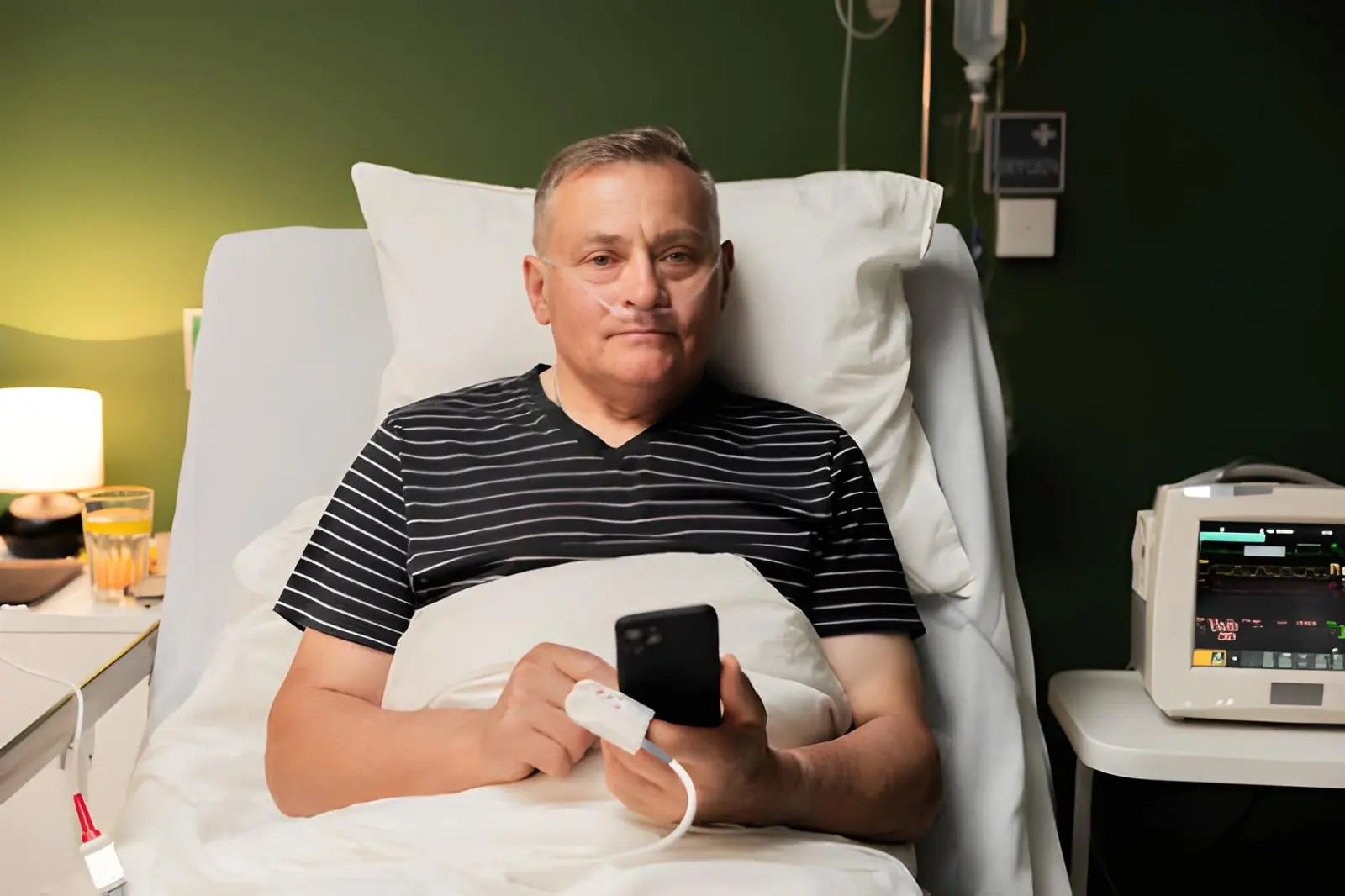
This fractured model is addressed through Remote Patient Monitoring, which extends the clinic into the patient’s home. This is done using a collection of cellular-connected devices, including blood pressure cuffs, pulse oximeters, digital scales, and biosensors. The patient’s vital signs are securely transferred to healthcare professionals without intermediaries.
The secret power of RPM, therefore, lies not only in data collection but also in its infrastructure. Clinical-grade software evaluates patient data from monitoring in real time. Whenever something is amiss, such as decreased blood oxygenation or sudden weight gain, a red flag is raised.
A specially assigned care coordinator will be able to analyze the collected data and either call the patient, adjust his or her medication, or take necessary measures without requiring the patient to visit the hospital again.
Cultivating a Human-Centered Recovery Experience
Despite the complexity of technology involved in RPM, it is a truly human thing. The conventional approach to medicine makes patients feel as though they are just receiving treatment rather than being active participants in the process and going through a series of bureaucratic procedures. Through RPM, the patient becomes an active participant in his or her treatment process.
When an individual sees the results of his or her daily activities and how they influence the biological processes of his or her body, as depicted on a tablet or smartphone screen, he or she gets a clear idea of how important his or her efforts are. Moreover, knowing that a specific medical specialist is analyzing the information provides patients with an additional sense of safety.
From an operational standpoint, this technology allows clinicians to practice at the top of their licenses. Rather than spending their days chasing down patients for updates or sifting through manual spreadsheets, care teams can focus their energy exactly where it is needed most: on the high-risk patients whose data signals an urgent need for human interaction.
Elevating the Continuum of Care
The rapid adoption of remote health technology is proof that the boundary between institutional care and home recovery is permanently blurring. The goal of modern physical medicine is no longer just to stabilize a patient for discharge, but to actively guide them all the way back to a functional, independent life.
Conclusion
Visionaries like Anthony Misitano continue to advocate for a continuum of care that champions long-term quality outcomes over short-term utilization metrics. Remote patient monitoring provides the precise operational bridge necessary to realize this vision. By replacing sporadic, reactive clinical visits with continuous, proactive oversight, the medical industry is proving that high-quality, specialized care does not require a hospital bed. Ultimately, RPM ensures that the home is no longer a place where patients are cut off from medical expertise, but rather the ultimate environment for sustained, long-term healing.
Also Read
- Men’s Gold Cuban Bracelets: The Essential Guide to Style and Selection
- How Direct Debit Supports Scalable Business Growth
- Sweet and Savory Oat Creations You Need to Try