Sustainable home renovation has become a priority in 2026. Homeowners are more determined than ever to make choices that benefit the planet, add value to their homes, and produce long-term savings. Renovating with sustainability in mind leads to quieter, more comfortable, and healthier spaces. Reliable home renovation services like Westside Build are at the forefront of this movement, offering expertise and eco-friendly solutions for discerning homeowners.
These modern renovation trends go beyond installing solar panels or LED lighting. They emphasize integrated living that values energy and water conservation, sustainable sourcing, and health. Embracing these eco-friendly updates has a ripple effect, improving indoor air quality and enhancing daily life. Throughout the year, more homeowners have realized that eco-conscious improvements not only reduce their carbon footprint but can also advance the comfort and adaptability of their homes. As innovative technologies and design approaches gain popularity, they set a new standard for residential spaces across communities. Sustainable home renovations are about making smart, lasting choices that pay off over time. Following trends in materials, technology, and design ensures homes remain resilient and enjoyable as the world changes.
Energy-Efficient Upgrades
Energy use remains one of the highest operating costs in the home. In 2026, renovations often begin with increasing insulation effectiveness, sealing drafts, and upgrading doors and windows with energy-efficient models. High-performance insulation limits heat transfer, and triple-glazed windows keep interiors comfortable year-round while reducing reliance on heating and cooling systems.
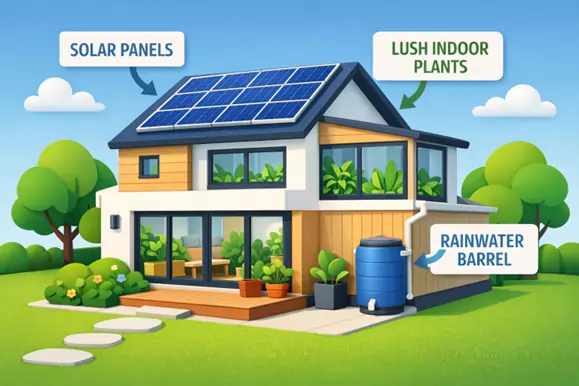
Solar panel installations are becoming a common sight, providing renewable energy that powers both electronics and home heating. Innovations like battery storage enable households to use solar energy collected during the day after sunset, promoting independence from the grid. Modern HVAC systems, combined with smart thermostats, enable fine-tuned temperature control and measurable reductions in monthly energy bills. The U.S. Department of Energy details how these upgrades can save homeowners thousands over a decade, proving that green investments can pay off.
Eco-Friendly Materials
Material selection is crucial for reducing environmental impact. Bamboo flooring, reclaimed wood, and recycled steel have become the top choices for sustainable remodels. Using recycled and reclaimed materials prevents unnecessary deforestation and reduces landfill waste. Their durability means they often last longer than their conventional counterparts. Homeowners and designers are paying special attention to low-VOC (volatile organic compound) paints and natural finishes. These products improve indoor air quality and reduce exposure to chemicals. Other creative solutions, such as countertops made from recycled glass or tile produced from industrial waste, are being embraced for their ability to conserve resources and introduce texture and color to design schemes. As demand for greener products rises, vendors are focusing on providing clear information and third-party certifications to help consumers make truly sustainable material choices.
Smart Home Integration
Smart technology has found a natural place in sustainable renovations. Cutting-edge home automation systems now go beyond convenience to actively monitor and decrease energy use. With AI-driven thermostats, lighting controls, and occupancy sensors, systems adapt to daily routines, minimize idle energy consumption, and maximize comfort. Homeowners can automate window shades to make the most of daylight, control irrigation based on weather data, and monitor appliances through real-time usage statistics. Integration between devices and systems is getting easier and more reliable, offering valuable insights into consumption patterns while reducing waste. This tech-forward approach is helping homes set new sustainability benchmarks that were previously unattainable.
Biophilic Design Elements
Biophilic design enhances the living environment by connecting interior spaces to the natural world. Large windows and skylights bring in abundant daylight, reducing the need for electric lighting. Living walls (vertical gardens) clean the air and create focal points in living rooms and kitchens. Natural materials such as stone, wool, and raw wood add warmth and tactile interest, fostering a soothing atmosphere. Houseplants benefit mood and health, reinforcing the relationship between occupants and nature.
Water Conservation Strategies
Water-efficient design is gaining popularity amid the increasing frequency of droughts and water shortages. Simple upgrades, such as low-flow showerheads and dual-flush toilets, significantly reduce water use. Many new homes and updated properties now include dedicated graywater and rainwater harvesting systems that filter and store runoff for irrigation reuse.
Drought-tolerant landscaping is also replacing traditional lawns. Native plants require less maintenance and benefit the local ecosystem. Homeowners find that adopting these strategies saves money on utility bills and helps protect their communities’ fragile water supplies.
Multi-Functional Living Spaces
With remote work becoming standard and families looking to do more with less, flexible living areas are essential. Design trends now focus on spaces that perform double duty. Examples include home offices concealed by sliding doors, guest bedrooms that transform into gyms, and open kitchens that flow into dining and entertaining areas.
This efficiency leads to smaller homes with reduced heating, cooling, and cleaning needs. It also makes homes more adaptable to future technological or lifestyle changes, boosting sustainability and comfort.
Aging-in-Place Designs
Sustainable renovations consider the needs of residents at every stage of life. Homes designed for aging in place include features such as no-step entries, wider doorways, lever-style handles, and walk-in showers with grab bars. These accessible updates reduce future renovation needs, making them an eco-friendly and practical choice. Such features help seniors remain independent, avoiding costly moves or institutional care. By planning for the future now, homeowners create welcoming, inclusive environments suited for a lifetime.
Conclusion
Sustainable home renovation in 2026 is an investment in comfort, wellness, and financial security. By focusing on performance, safe materials, resource conservation, and adaptive design, homeowners can create living spaces that are prepared for whatever tomorrow brings. Every green improvement, no matter how small, helps create a healthier planet and a stronger community, setting a new benchmark for modern living.
Read more: Screen Capture on Windows: Easy Methods You Should Know – metaphorhaven.com
Solo Touring Recovery Kit: The Real Minimum | Off-Road Guide
Stylish and Functional Vanity Solutions for Modern Bathrooms – metaphorhaven.com