
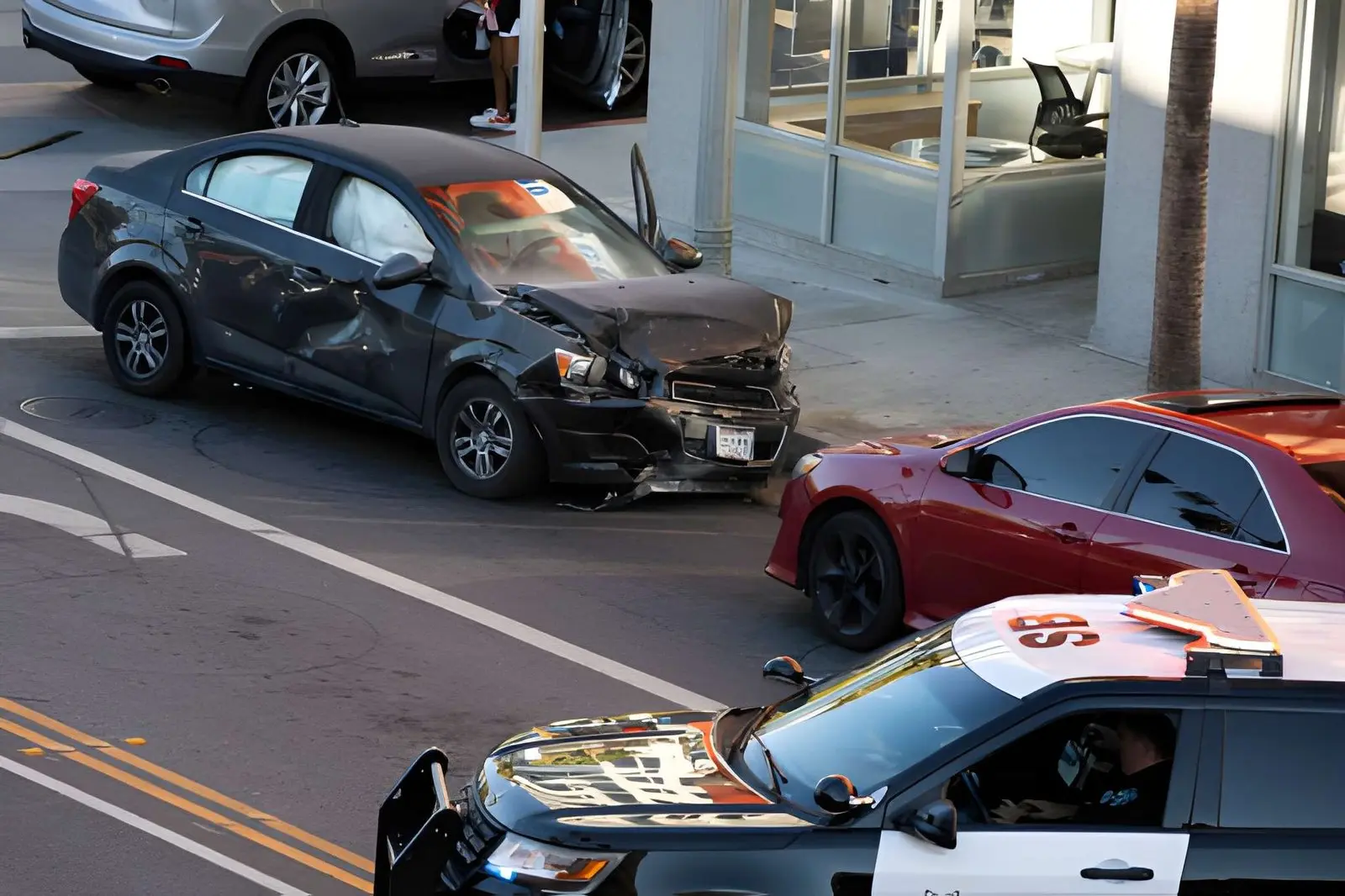
The crash lasted two seconds. The next twenty-four hours decide everything else. Most California injury victims make their most expensive mistakes inside that window, often without realizing it. The damage shows up weeks later when a low insurance offer comes in.
Under California’s Senate Bill 1107, minimum auto liability coverage is now $30,000 per person, $60,000 per accident, and $15,000 for property damage. More coverage is available than ever, but only if the case is handled correctly from the moment the airbags settle.
Knowing what to do after a car accident protects your health, your legal rights, and the value of any future car accident claim.
In this post, you’ll learn:
- The first steps to take at the accident scene and in the hours that follow
- Why immediate medical attention matters even when nothing feels broken
- What to say and not say to police and insurance adjusters
- When to involve a personal injury lawyer in California
Step 1 – Make Sure You Are Safe and Call Emergency Services
The first job is staying out of further harm. If the vehicles are drivable and the situation is safe, move them off the active roadway and onto the shoulder. Turn on hazard lights and stay inside the vehicle until traffic clears. If anyone is injured, leave the vehicles where they are.
Call 911 immediately. Request police and medical assistance, even when the crash feels minor. An official police report becomes one of the most important documents in any car accident claim later, and it only occurs when officers arrive at the scene.
Step 2 – Get Medical Attention Immediately (Even If You Feel Fine)
Adrenaline masks pain after a crash. Whiplash, concussions, internal injuries, and soft tissue damage rarely announce themselves on the side of the road. Delayed symptoms are dangerous both medically and legally.
Get evaluated within 24 hours, whether at an emergency room or an urgent care clinic. Medical records from that first day are the evidence that links the injuries to the accident. Even a gap of a few days will weaken the car accident claim.
Step 3 – Document the Accident Scene Properly
Strong evidence starts in the first hour. Use your phone to capture photos of every vehicle, every injury, and the surrounding road conditions. Take pictures of traffic lights, skid marks, debris, and damage angles. Wide shots and close-ups both matter.
Collect witness details before anyone leaves. Names, phone numbers, and brief notes about what they saw are often the difference between a clear liability picture and a long fight over fault. Save any dashcam footage immediately, since most systems overwrite after a few days.
Step 4 – Exchange Information but Avoid Admitting Fault
Trade the basics with the other driver. Name, driver’s license number, insurance company, policy number, license plate, vehicle make, and model. Get a phone number too, and keep the exchange brief and factual.
Do not apologize, do not accept blame, and do not speculate about what happened. Statements at the scene resurface in files weeks later. Even a casual “I’m sorry” gets reframed as an admission of fault, which is why a California car accident lawyer should evaluate liability.
Step 5 – Report the Accident to the Police and Insurance Carefully
A formal police report is the foundation of most California car accident claims. Make sure officers are called to the scene. According to the California DMV, drivers must also file an SR-1 report within 10 days of any accident that involves injury, death, or property damage exceeding $1,000.
Report the crash to your own insurance company promptly. Stick to basic facts: when, where, and who was involved. Do not give a recorded statement to the other driver’s insurance, especially in the first few days.
Adjusters are trained to ask questions that quietly minimize the carrier’s exposure.
Step 6 – Understand Your Legal Rights After a Car Accident in California
California follows comparative negligence rules. Even a driver who is partially at fault may still recover compensation, with the amount reduced by their percentage of fault. The right to recovery covers medical bills, lost wages, property damage, and pain and suffering.
According to the SFMTA, San Francisco’s speed safety cameras have reduced speeding by 79 percent under California’s AB 645 program. Even with safer roads, liability questions are rarely simple.
Step 7 – When Should You Contact a Car Accident Lawyer?
Sooner is almost always better. Evidence disappears within days of the crash, insurance companies begin building a defense the moment a claim is filed, and the strongest cases are those that involve legal guidance from the start.
Certain situations make legal help essential. Serious injuries, disputed fault, or any sign of insurance delays all call for an auto accident lawyer. A car accident lawyer in California also preserves evidence early, handles adjusters, and protects the case from common mistakes.
Common Mistakes to Avoid in the First 24 Hours
Some of the worst damage to a car accident claim happens before anyone has time to think clearly. The most common mistakes in the first 24 hours:
- Posting photos, updates, or commentary about the accident on social media
- Skipping medical care because nothing feels broken
- Accepting a quick settlement offer from the at-fault driver’s insurance
- Giving a recorded statement to the other driver’s insurance company
- Failing to photograph injuries, vehicle damage, and the accident scene
- Missing the 10-day SR-1 reporting deadline with the California DMV
Each of these is preventable. Knowing what to do after a car accident keeps the case clean from the start.
What Evidence Matters Most in a California Car Accident Claim?
The strongest car accident claims rest on documentation that directly links the injuries, fault, and financial impact to the accident. The pieces of evidence that carry the most weight:
- The official police report from the scene
- Medical records from the ER, urgent care, and every follow-up appointment
- Photos and video of the accident scene, vehicles, and visible injuries
- Witness statements with names and contact information
- Written communication with insurance companies, including emails and letters
Each piece supports the others. A complete record makes it harder for the insurance company to challenge the severity or shift fault.
How the First 24 Hours Can Affect Your Settlement
The first day after a crash sets the value of the entire car accident claim. Strong early evidence gives the case a baseline that makes it harder for insurance companies to discount. Clean medical records, a complete police report, and photos from the scene all carry weight.
Delays cost money. Gaps in medical treatment or early statements to adjusters give the insurance company room to argue the injuries were less serious than claimed. The California car accident lawyer who sees the case from day one protects the full value.
Common Questions About the First 24 Hours After a Car Accident
1. What should I do immediately after a car accident in California?
Move to safety, call 911, and request police and medical help. Document the scene with photos and exchange basic information with the other driver. Avoid admitting fault or making statements that could be used against you later.
2. Do I need to call a lawyer right after a car accident?
Not always, but earlier involvement protects the case. A personal injury lawyer in California helps preserve evidence, handles communication with adjusters, and steps in before mistakes shape the outcome. Serious injuries or disputed fault make legal help essential.
3. How long do I have to file a car accident claim in California?
California has a two-year statute of limitations for personal injury claims from the date of the accident. Property damage claims are subject to a three-year limit. Insurance claims have shorter deadlines set by the carrier, often within days of the crash.
4. What if I feel fine after the accident but get pain later?
Get medical attention as soon as symptoms appear. Whiplash, concussions, and soft tissue injuries often surface days after the crash. Documenting the connection between the accident and the delayed symptoms is essential for any claim.
5. Should I talk to the insurance company without a lawyer?
Notify your own insurance company directly with the basic facts. Avoid recorded statements with the other driver’s insurance before consulting a car accident lawyer. Adjusters are trained to ask questions that quietly weaken the claim.
Why the First Day Matters Most
The first 24 hours are what happens to the case. Photos taken on the side of the road, medical records started within hours, and careful statements to adjusters all shape how the claim ends. The difference may run into tens of thousands of dollars.
The decisions made in those early hours have the longest reach: medical care, scene documentation, careful communication, and the steady awareness that the case is being built, whether the driver realizes it or not.
Anyone facing the aftermath of a California car accident should consider speaking with an experienced personal injury team before the first week is out. The earlier the case is in good hands, the more of its value stays where it belongs.
Meta Title: What to Do in First 24 Hours After a California Accident
Meta Description: Learn what to do after a car accident in California in the first 24 hours, from medical care and evidence to insurance steps and legal protection. Call now!
Focus Keyword: what to do after a car accident
FAQ SCHEMA:
<script type=”application/ld+json”>
{
“@context”: “https://schema.org”,
“@type”: “FAQPage”,
“mainEntity”: [
{
“@type”: “Question”,
“name”: “What should I do immediately after a car accident in California?”,
“acceptedAnswer”: {
“@type”: “Answer”,
“text”: “Move to safety, call 911, and request police and medical help. Document the scene with photos and exchange basic information with the other driver. Avoid admitting fault or making statements that could be used against you later.”
}
},
{
“@type”: “Question”,
“name”: “Do I need to call a lawyer right after a car accident?”,
“acceptedAnswer”: {
“@type”: “Answer”,
“text”: “Not always, but earlier involvement protects the case. A personal injury lawyer in California helps preserve evidence, handles communication with adjusters, and steps in before mistakes shape the outcome. Serious injuries or disputed fault make legal help essential.”
}
},
{
“@type”: “Question”,
“name”: “How long do I have to file a car accident claim in California?”,
“acceptedAnswer”: {
“@type”: “Answer”,
“text”: “California has a two-year statute of limitations for personal injury claims from the date of the accident. Property damage claims are subject to a three-year limit. Insurance claims have shorter deadlines set by the carrier, often within days of the crash.”
}
},
{
“@type”: “Question”,
“name”: “What if I feel fine after the accident but get pain later?”,
“acceptedAnswer”: {
“@type”: “Answer”,
“text”: “Get medical attention as soon as symptoms appear. Whiplash, concussions, and soft tissue injuries often surface days after the crash. Documenting the connection between the accident and the delayed symptoms is essential for any claim.”
}
},
{
“@type”: “Question”,
“name”: “Should I talk to the insurance company without a lawyer?”,
“acceptedAnswer”: {
“@type”: “Answer”,
“text”: “Notify your own insurance company directly with the basic facts. Avoid recorded statements with the other driver’s insurance before consulting a car accident lawyer. Adjusters are trained to ask questions that quietly weaken the claim.”
}
}
]
}
</script>
Also Read
- 4 Practical Ways To Stretch Any Tech Budget
- Why Commercial Cleaning Services Are Essential for Modern Businesses
- The Benefits of Compact Transportation Solutions for City Travel