Having a tooth removed can feel stressful, especially if you are unsure how to handle post-operative care at home. Bleeding is a normal part of the healing process, and knowing how to stop bleeding after tooth extraction and support your mouth’s recovery is essential for a smooth experience. Whether you are dealing with bleeding, discomfort, or nutrition concerns, following clear aftercare directions will make a significant difference in your comfort and healing.
When a blood clot forms in the socket, it acts as a protective barrier, promoting healing and protecting underlying tissues. Disrupting this clot can lead to complications or even infections. The first 24 hours after your extraction are crucial, but you can take control of your recovery with the right strategies and informed decisions. By being proactive and attentive to your body’s needs, you can identify problems early and give your mouth the best chance to recover quickly. With a little diligence and knowledge, your post-extraction period can be much more comfortable. For further support or to schedule a follow-up visit, Champaign Dental provides resources and professional care for all your dental health needs.
Understanding Post-Extraction Bleeding
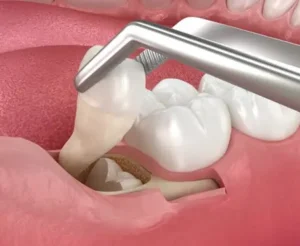
Bleeding following tooth extraction is a standard part of the healing process. The loss of a tooth creates an open socket. Your body quickly forms a blood clot to fill this space, protecting nerve endings and bone in the area while paving the way for tissue regeneration. However, this clot is fragile, especially in the first 24 hours, making it vulnerable to being dislodged by certain movements or activities.
If the clot is lost prematurely, you could experience “dry socket,” a painful condition that slows down healing. Preventing excessive bleeding and safeguarding the clot are your primary goals after an extraction. Always follow your dentist’s instructions and avoid disturbing the area.
Immediate Steps to Control Bleeding
Firm Pressure with Gauze
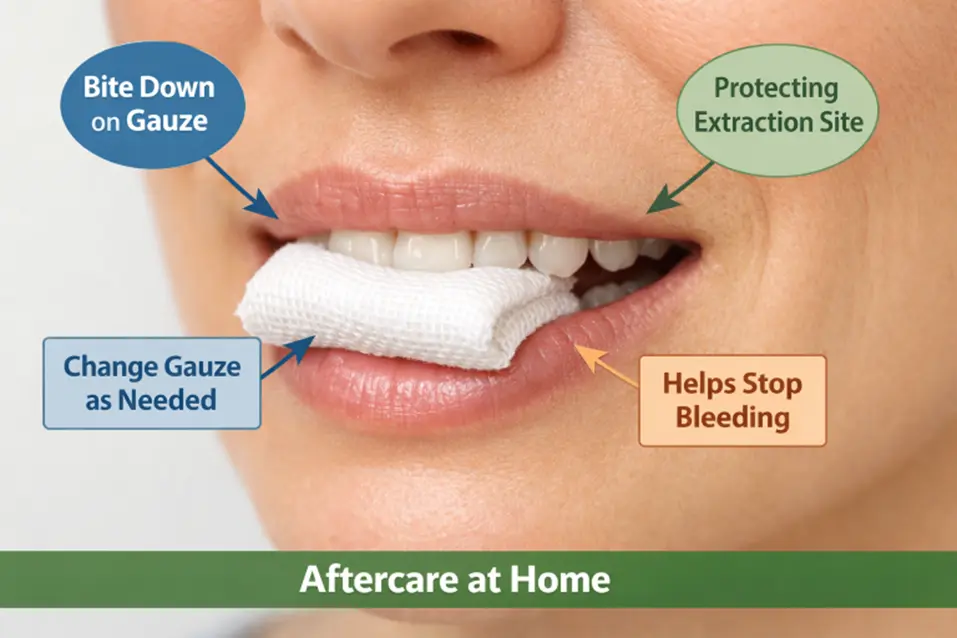
Bite down gently but firmly on a clean, damp piece of gauze placed directly over the extraction site. Maintain this pressure for at least 30 to 60 minutes. If bleeding continues after the initial period, replace with fresh gauze and continue applying pressure until the flow subsides. This promotes the formation of a stable clot, which is essential for healing. The American Dental Association provides more tips on effective post-extraction care at MouthHealthy.org.
Use a Tea Bag
If bleeding does not stop after using gauze, reach for a damp black tea bag. Black tea contains tannic acid, which helps constrict blood vessels and promotes faster clotting when gently pressed to the site. Keep your mouth closed and bite lightly for an additional 30 minutes, ensuring the tea bag has direct contact with the extraction area.
Keep Your Head Elevated
Whenever possible, rest in an upright position. Keeping your head elevated, even while sleeping, can minimize blood pooling at the site and help control oozing. Avoid bending over or lying flat in the first few hours after your extraction for best results.
Activities to Avoid During Recovery
Your actions in the first couple of days will either protect your blood clot or put it at risk. Here are the top activities to avoid:
- Smoking and Vaping: The suction and chemicals not only impair healing but also significantly raise your likelihood of developing dry socket and infections.
- Using Straws: The suction required when using a straw can dislodge the clot and open the site to further bleeding.
- Vigorous Rinsing or Spitting: Both of these actions disrupt the delicate clot and can prompt renewed bleeding or delayed recovery.
- Alcohol and Hot Beverages: Alcohol may thin your blood, weakening clot stability, while hot drinks can dissolve the protective clot barrier.
Dietary Recommendations for Healing
Your diet after a tooth extraction not only affects comfort but also the speed of healing. For the first several days, select soft, lukewarm, non-irritating foods and beverages. Examples include yogurt, applesauce, pudding, scrambled eggs, well-mashed potatoes, and smoothie bowls. These options will prevent unnecessary pressure or debris from contacting your extraction site.
Avoid crunchy, hard, spicy, or sticky foods. Seeds, nuts, chips, or chewy candies can get lodged in the socket or disturb the clot. Taking precautions with your meals will limit complications and set the stage for steady progress.
Monitoring for Complications
After a tooth extraction, vigilance is key. Watch carefully for these warning signs:
- Excessive Bleeding: Consistent bleeding unresponsive to pressure and gauze after several hours could indicate a need for intervention.
- Severe or Worsening Pain: If prescribed medication provides little relief or pain increases after a day, this could signal dry socket or infection.
- Swelling or Fever: Both can be natural parts of healing, but could also indicate an underlying infection if they worsen or persist beyond 48 hours.
When to Contact Your Dentist
Knowing when to call your dental provider is essential. If you encounter any issues, such as prolonged bleeding, persistent pain, or signs of infection (such as swelling, redness, or fever), contact your dentist right away. Prompt attention prevents minor issues from escalating and helps you stay on track toward a full recovery. Your dental team is a resource for guidance, reassurance, and medical care when you need it most.
Conclusion
Managing bleeding and encouraging proper healing following a tooth extraction takes patience, time, and the right information. By following aftercare instructions, knowing which activities and foods to avoid, and watching closely for signs of complications, you can protect your recovery and reduce the risk of healing interruptions. If you have questions or encounter problems, reach out to your dentist right away to maintain your path to a healthy recovery.
Also Read
- Dehumidifiers and Respiratory Health: What Research Shows
- A Clear Look at Wisdom Teeth and Modern Removal Care
- Metaphors for Challenges: 33+ Creative Ways to Express Life’s Struggles