
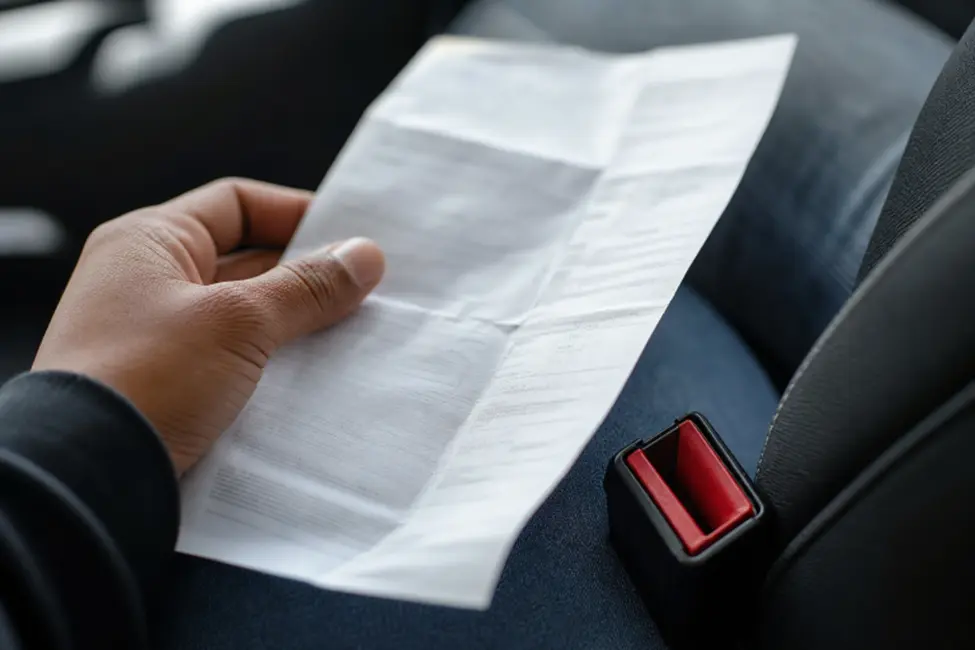
A rideshare collision can turn an ordinary trip from Harry Reid International Airport, the Las Vegas Strip, Downtown Las Vegas, or a neighborhood in Summerlin into a confusing situation within seconds. Passengers, drivers, and witnesses may need to deal with police reports, medical appointments, multiple insurance companies, and trip records. A rideshare accident attorney Las Vegas may help explain the options when injuries, disputed fault, or coverage questions make the situation more complicated. Taking calm, organized steps after a crash can protect your health and preserve important information. The checklist below is designed for Nevada rideshare passengers and drivers, but every collision is different. Local conditions, the vehicles involved, and the driver’s app status can all affect what happens next.
Why Rideshare Crashes Can Raise Extra Questions
A typical crash may involve two drivers and their insurers. A rideshare crash can involve additional questions, including whether the driver was actively using the app, whether a rider was in the vehicle, and whether another motorist caused the impact. A driver traveling on Interstate 15, U.S. 95, Tropicana Avenue, or Las Vegas Boulevard may be covered differently depending on the stage of the trip. The same car may have different potential coverage at different times. State law, policy language, rideshare company procedures, and the specific facts all matter. Avoid assuming that one policy automatically applies or that an insurer’s first explanation is the final answer.
Step One: Move to a Safe Location
After the impact, take a moment to assess immediate dangers. If the vehicle can be moved safely, get out of traffic and turn on hazard lights. This can be especially important on fast-moving Las Vegas roads or in crowded areas near resorts and event venues.
- Check for injuries before moving anyone.
- Call 911 if anyone may be hurt, traffic is blocked, or the scene is unsafe.
- Watch for fuel leaks, smoke, broken glass, and approaching traffic.
- Do not argue, guess about fault, or admit responsibility at the scene.
- Remain at the scene until it is appropriate to leave.
Step Two: Get Medical Care
Do not dismiss symptoms simply because they seem minor at first. A passenger may feel shaken but unhurt after a sudden rear-end collision, then develop neck pain, a headache, dizziness, or back stiffness later that evening. Prompt evaluation can help identify an injury and create a useful medical record. Follow medical instructions and retain discharge papers, prescriptions, bills, referral notes, and appointment summaries. The National Highway Traffic Safety Administration advises riders to buckle up in rideshares, including when sitting in the back seat, because seat belts help keep occupants securely inside the vehicle during a crash.
Step Three: Report the Crash
An official report can provide an important starting point when facts are disputed later. Call law enforcement when required, when injuries are involved, or when the roadway creates a hazard. Ask for the report number and instructions for obtaining a copy.
- Report the incident through the rideshare app or the company’s safety channel.
- Notify your own insurer if your policy requires prompt notice.
- Keep claim numbers, confirmation emails, and messages.
- Provide accurate facts, but do not speculate about speed, fault, or injuries.
Reporting a crash does not mean you must accept a settlement, sign a release, or give a recorded statement before you understand the situation.
Step Four: Save Evidence Before It Disappears
Digital records can be as important as photos of the damage. Save the trip receipt, route map, pickup and drop-off times, driver information, and in-app messages before they become difficult to access. If a nearby business, residence, parking garage, or casino may have a camera facing the crash area, make note of it promptly.
Useful Evidence to Collect
- Photos of vehicle damage, injuries, road conditions, traffic signals, and debris.
- Names and contact details for witnesses and all involved drivers.
- Insurance information and license plate numbers.
- Dashcam footage or information about nearby security cameras.
- Medical records, missed-work documentation, and expense receipts.
- Towing, repair, medication, and replacement transportation costs.
How the Driver’s App Status May Matter
A rideshare driver’s status can be important when insurers evaluate available coverage. Common stages include:
- Offline: The driver may be using the car for personal reasons.
- Online and waiting: The driver may be available but has not accepted a request.
- Driving to a pickup: The driver may be en route to collect a rider.
- Passenger on board: The trip may be active until the rider reaches the destination.
Take screenshots as soon as possible. App records may help establish the trip stage, but they do not, by themselves, determine responsibility or coverage.
Who May Be Responsible?
Responsibility may fall on one party or several. Depending on the evidence, potentially responsible parties may include the rideshare driver, another motorist, a vehicle owner, a repair provider, or, in limited circumstances, a property owner associated with an unsafe roadway condition.
For example, if another driver rear-ends a rideshare vehicle while a passenger is traveling from the Strip to Henderson, the other driver’s insurer may be involved. Additional coverage could also be relevant. The answer depends on the collision evidence, policies, and Nevada law.
Insurance Questions to Ask Early
- Which vehicle appears to have caused the collision?
- Was the rideshare driver logged into the app?
- Had the driver accepted a ride or picked up a passenger?
- What medical expenses and lost income have occurred so far?
- Is uninsured or underinsured motorist coverage available?
- Is an insurer requesting a recorded statement or broad medical authorization?
An early settlement offer may not account for future treatment, ongoing symptoms, or missed work. Read every document carefully before signing.
Common Mistakes After a Las Vegas Rideshare Crash
- Leaving without exchanging information or obtaining a report number.
- Failing to report the incident in the rideshare app.
- Deleting messages or closing the app without saving trip details.
- Posting blame statements or injury updates on social media.
- Skipping medical care because pain seems manageable.
- Accepting cash at the scene in exchange for ending the matter.
Safety, Records, and Rideshare Travel
Rideshare safety involves more than the moments after a collision. A recent U.S. Government Accountability Office review of rideshare and taxi safety discusses reporting systems, driver screening, identity verification, and in-app safety features. Clear records and timely reporting can make it easier to respond responsibly in the event of an unexpected crash.
Separate Checklists for Drivers and Passengers
For Rideshare Drivers
- Check passengers and others for injuries.
- Call emergency services when needed.
- Follow local reporting requirements and notify the platform.
- Preserve app records, dashcam footage, repair estimates, and towing information.
- Notify the personal insurer listed on the vehicle policy.
For Passengers
- Confirm the vehicle, driver, and license plate information.
- Screenshot the trip receipt, route, and driver details.
- Collect witness information when possible.
- Report the crash through the app and seek care if symptoms develop.
- Keep records of treatment, expenses, and missed work.
When Professional Guidance May Help
Consider seeking guidance when injuries are serious, multiple vehicles are involved, fault is disputed, coverage is denied, or medical bills continue to increase. Not every rideshare crash requires a lawsuit, but complex claims may be difficult to resolve through a quick conversation with an adjuster.
Frequently Asked Questions
Should a passenger report a rideshare crash?
Yes. Report it through the app, contact law enforcement when appropriate, and notify your own insurer if your policy requires it.
What if the other driver leaves the scene?
Call law enforcement, write down everything you remember, look for witnesses, and preserve photos, video, and trip records.
What if there are no visible injuries?
Monitor your condition closely. Seek medical care if pain, numbness, headaches, dizziness, or other symptoms appear.
Conclusion
After a rideshare crash in Las Vegas, safety, medical care, accurate reporting, and careful evidence collection should come first. Move to a safe location if possible, call emergency services when needed, and seek a medical evaluation even if injuries seem minor, as some symptoms may appear later. Document the scene with photos, gather contact and insurance information, and report the incident through the appropriate rideshare app and, when required, to law enforcement. Acting quickly can help protect your health and preserve information that may be important later. Keep copies of medical records, repair estimates, and any communication related to the crash. Finally, review the laws, insurance policies, and filing deadlines that apply to your specific situation to make informed decisions about next steps.
Also Read-Best SEO Agencies in Australia for SaaS and Tech Brands