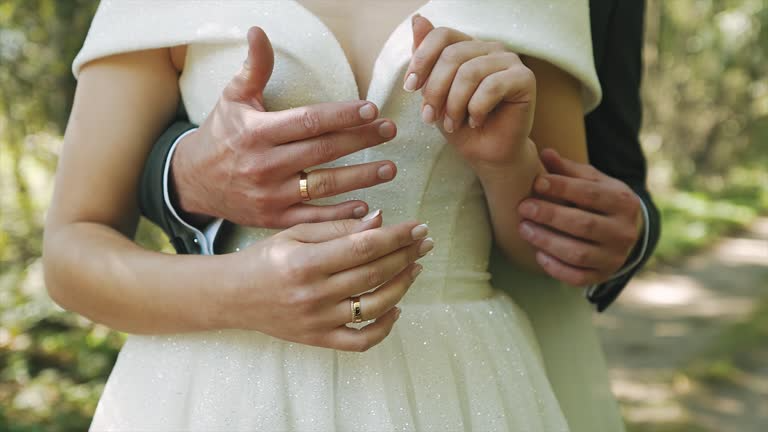
When couples begin shopping for matching wedding bands, the sticker shock can be surprising. Many jewelers display luxurious sets with five-figure price tags, which pushes many engaged couples toward compromise or debt. However, there are legitimate strategies to find beautiful, quality matching bands at a fraction of what most people expect to pay. The key is understanding where to look, what materials offer the best value, and which purchasing methods deliver genuine savings without sacrificing durability or appearance.
1. Shop Alternative Metals for Better Value
The metal you choose for your wedding bands has a dramatic impact on the final price. Gold remains the traditional choice, but platinum, palladium, and white gold command premium prices due to their rarity and weight. Yellow gold and rose gold typically cost less than white gold or platinum, while still offering excellent durability for everyday wear. For example, a rose gold band often costs 15 to 20 percent less than the same design in platinum, yet both will last a lifetime if properly maintained. Titanium and tungsten have emerged as increasingly popular alternatives that cost significantly less while offering exceptional scratch resistance and modern aesthetics. These metals appeal to couples seeking contemporary designs without the luxury price tag associated with precious metals.
2. Consider Simpler Band Designs
Ornate designs with intricate detailing, hand-engraving, and multiple stone settings naturally cost more due to the production time and materials they require. A simple, polished band without gemstones can be just as meaningful and elegant while reducing the price by 40 to 60 percent compared to elaborate alternatives. Minimalist designs have also become increasingly fashionable, making simple bands a stylistic choice rather than a compromise. Couples who prioritize matching over decoration often find that straightforward designs actually create a more cohesive look. A clean profile also means fewer places for dirt and debris to accumulate, making simple bands easier to maintain over decades of wear. If you want some visual interest, consider a subtle texture or satin finish rather than expensive stone settings or complex metalwork.
3. Purchase from Online Jewelers
Traditional brick-and-mortar jewelry stores maintain high overhead costs including rent, staff salaries, and showroom displays. Online jewelers eliminate these expenses and pass the savings to customers in the form of lower prices. Many online retailers offer the same quality certifications, warranties, and return policies as traditional jewelers while charging 30 to 50 percent less. Browsing matching wedding bands from established online retailers helps identify competitive pricing and cohesive designs across a wide selection, making it easier to compare styles before committing.
For example, a simple gold band from an established online jeweler might cost $400 compared to $700 at a local store, even though the quality and specifications are identical. The main consideration when buying online is ensuring the jeweler has solid customer reviews, clear return policies, and reputable certifications for precious metals. Before making a purchase, verify that the business maintains a physical address, offers customer support via phone, and provides detailed product specifications and images.
4. Explore Preloved and Vintage Options
Preloved wedding bands, sometimes called vintage or antique, offer authentic character and significant cost savings. Many couples who upgraded their bands or passed down family heirlooms create a secondary market of beautiful, well-made rings at prices well below retail. A vintage band crafted 30 or 50 years ago was often made with higher quality standards and more precious metal content than modern mass-produced alternatives. Shopping preloved also appeals to environmentally conscious couples who prefer recycled materials over newly mined metals. Reputable dealers provide documentation, authentication, and often professional cleaning services to restore these rings to like-new condition. The main challenge is finding matching pairs, though many preloved retailers specialize in sourcing complementary bands or can direct you to other sellers offering similar styles from the same era.
5. Negotiate During Off-Peak Seasons
Jewelry sales patterns follow predictable seasonal cycles, and strategic timing can unlock significant discounts. The period between January and March, after the holiday season ends and before spring engagements spike, typically offers the best negotiating leverage. Similarly, late summer and early fall see reduced foot traffic at jewelry stores, creating opportunities for marked-down inventory. Many jewelers are willing to discount matching band sets by 15 to 25 percent if they can move inventory during slow periods. Online retailers also run seasonal sales and promotional events, particularly around major holidays, that reduce prices on popular designs. Asking about floor models or slightly older stock can also yield discounts, since jewelers prefer to clear inventory for new collections.
6. Compare Certification and Quality Standards
Not all wedding bands are created equal, and understanding metal purity standards prevents overpaying for misleading quality claims. Gold is measured in karats, with 14K gold containing 58.3 percent pure gold and 18K containing 75 percent. Platinum jewelry should be marked as either 950 Platinum or 900 Platinum, indicating the percentage of pure platinum in the alloy. These markings appear on the inside of the band and guarantee authenticity, but they should not automatically justify higher pricing at one retailer over another. Bands with identical markings from different retailers may have significant price variations based solely on brand name and marketing. By comparing bands with matching purity certifications and similar designs across multiple retailers, you can identify which seller offers genuinely competitive pricing versus premium markup for branding alone.
Conclusion
Finding matching wedding bands at reasonable prices requires research, flexibility, and a clear understanding of what factors actually drive cost. By choosing simpler designs, exploring alternative metals, and shopping online retailers during off-peak seasons, couples can reduce expenses by 40 to 60 percent without compromising quality or durability. Preloved options offer additional value while appealing to environmentally conscious shoppers, and careful comparison of certified metals ensures you are paying fairly for the product itself rather than brand reputation. The most meaningful factor is taking time to evaluate multiple sources and avoid impulse purchases at traditional jewelry stores. With patience and informed decision-making, a beautiful set of matching wedding bands can fit comfortably within most budgets while still reflecting the commitment and care that a marriage deserves.
https://metaphorhaven.com/financial-clarity-reduces-emotional-pressure/