Disc degeneration is something many people experience as they get older, but it does not always mean that serious back problems are inevitable. The changes can happen gradually, sometimes without noticeable symptoms at first, before stiffness, discomfort, or other issues begin to appear. Dr Larry Davidson explains how these changes can progress and what people can do to better manage their spinal health. Understanding what happens to the discs over time can make it easier to recognize symptoms and know when professional guidance may be helpful.
Understanding Disc Degeneration
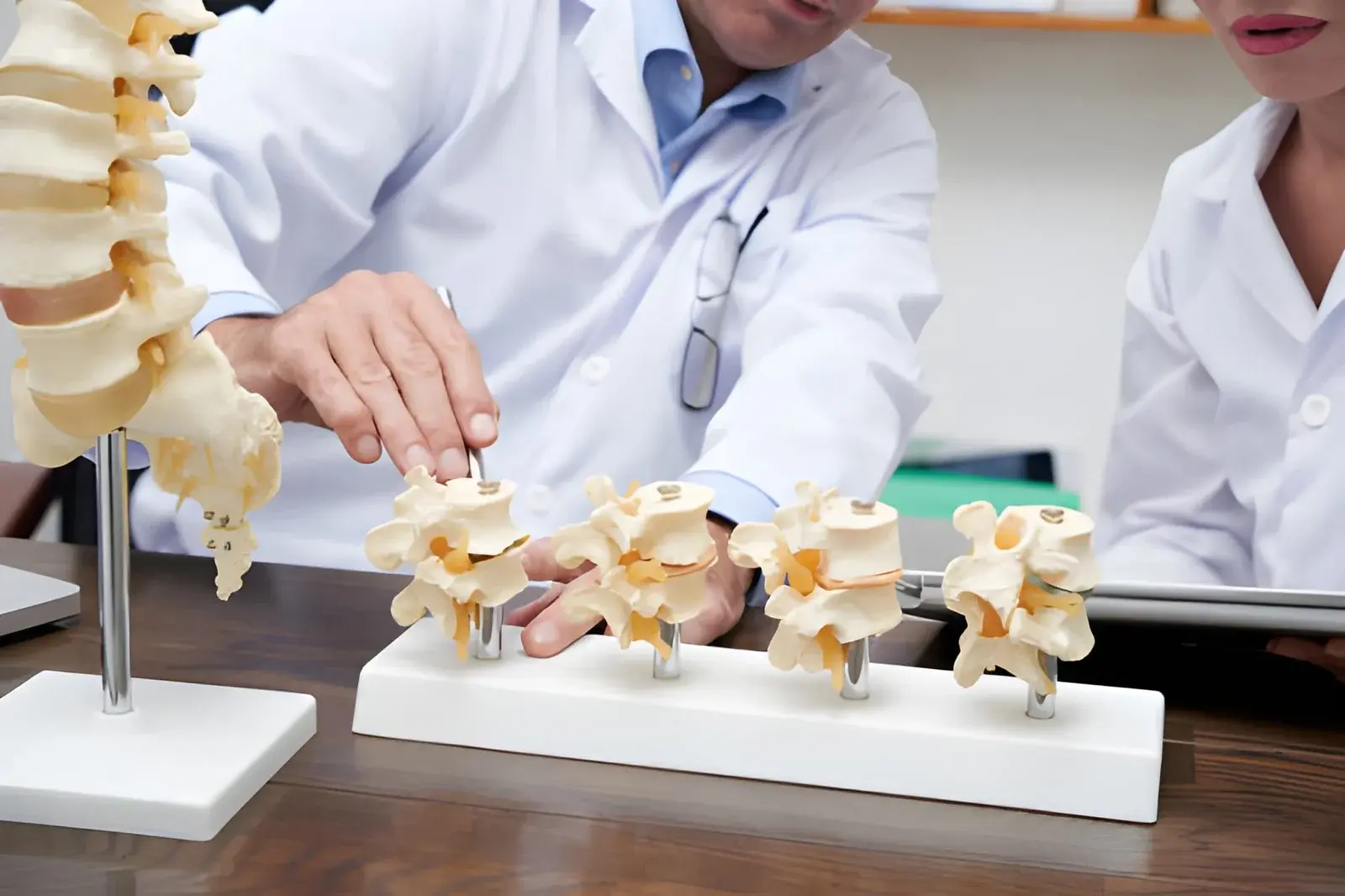
Disc degeneration refers to gradual changes in the spinal discs, which act as cushions between the bones of the spine. Over time, these discs can lose some of their water content, flexibility, and ability to absorb everyday stress, which may contribute to stiffness or discomfort. While some degree of degeneration is a normal part of aging, the way it affects each person can be very different.
How Disc Degeneration Begins
Disc degeneration often begins gradually as the spinal discs lose some of their water content and become less flexible over time. Everyday movements, aging, previous injuries, and repeated strain can all play a role in these changes. At first, a person may not notice anything unusual, but stiffness or occasional discomfort can become more noticeable as the discs change.
The Stages of Disc Degeneration
Disc degeneration can develop gradually, and understanding the general stages can make the process feel less confusing.
Early Changes
In the early stages, the discs may begin losing some of their water content and flexibility. These changes can happen without causing noticeable symptoms, so a person may not realize that anything is different. Some people may experience occasional stiffness or mild discomfort, particularly after sitting or staying in one position for a long time.
Increasing Disc Wear
As degeneration progresses, the disc may become thinner and less effective at absorbing pressure between the vertebrae. This can contribute to more frequent discomfort, reduced flexibility, or pain during certain activities. The surrounding structures of the spine may also experience additional stress as the disc becomes less able to provide its normal cushioning.
More Advanced Changes
In more advanced degeneration, significant disc height loss and changes in the surrounding spinal structures may occur. Some people may develop symptoms that extend into the arms or legs if nearby nerves become irritated or compressed. However, the severity of symptoms can vary considerably, and imaging findings do not always tell the entire story of how someone feels.
Common Signs to Watch For
Disc degeneration can look different from one person to another, but certain symptoms may become more noticeable as spinal changes develop.
Back or Neck Discomfort
Pain or aching in the lower back or neck can sometimes occur as the discs change and provide less cushioning. The discomfort may come and go at first, especially after activities that place stress on the spine. Some people may notice that symptoms become more noticeable after sitting, standing, or moving for extended periods.
Stiffness and Reduced Mobility
Spinal stiffness can make everyday movements feel less comfortable than they used to. Bending, twisting, getting out of a chair, or turning the neck may become more difficult when the spine is irritated. Regular movement can still be important, but activities may need to be adjusted when certain motions consistently trigger discomfort.
Pain That Travels into the Limbs
If changes in the spine affect nearby nerves, discomfort may sometimes travel from the back or neck into an arm or leg. This may be accompanied by sensations such as tingling, numbness, or weakness. Persistent or worsening neurological symptoms deserve professional evaluation rather than being treated as ordinary aches and pains.
What Can Make Disc Degeneration Worse
Factors such as smoking, repeated strain, previous injuries, excess weight, and prolonged inactivity can place additional stress on the spine and may contribute to worsening symptoms. Paying attention to posture, staying reasonably active, and using proper body mechanics can help support overall spinal health, as discussed in resources associated with Larry Davidson Neurosugeon South Carolina. Because some disc changes are part of normal aging, however, not every aspect of degeneration can be prevented.
How Disc Degeneration Is Diagnosed
Diagnosing disc degeneration usually starts with a discussion about symptoms, medical history, and how discomfort affects everyday activities. A physical examination can help assess movement, strength, reflexes, and other signs that may point to a spinal issue, while imaging such as X-rays or MRI may provide a closer look at the discs and surrounding structures. Doctors typically consider these findings together because changes seen on an image do not always match the severity of a person’s symptoms.
Nonsurgical Ways to Manage Symptoms
Many people with disc degeneration can start with nonsurgical approaches aimed at reducing discomfort and maintaining everyday movement. Physical therapy, appropriate exercise, activity adjustments, and other treatments recommended by a healthcare professional may help improve strength, flexibility, and function. The right combination depends on the person’s symptoms, overall health, and how the condition affects daily life.
When More Advanced Treatment May Be Considered
If there is persistent pain despite conservative treatment or if the symptoms are starting to affect daily life, the doctor may offer other treatments. Ongoing numbness, weakness, or pain radiating into an arm or leg may also be worthy of further investigation to see if a nerve is being affected. Treatment options, according to the cause, may be either a procedure to address the issue, or an operation.
Supporting Spine Health Over Time
When it comes to caring for you spine, developing good habits over time can be one of the best ways to take care of your structure, including; deconditioned muscles, avoiding frequency of long stretches of inactivity and maintaining a good level of strength and /or flexibility with a program of movement exercises.
Know When Professional Guidance Is Worth Considering
Occasional stiffness or discomfort may not always signal a serious problem, but persistent pain or symptoms that interfere with daily activities deserve attention. Numbness, weakness, or pain that travels into an arm or leg can also be reasons to seek a professional evaluation. A healthcare provider can help identify the underlying cause and determine which treatment approach makes sense for your specific situation.
Conclusion
Disc degeneration can develop gradually, but understanding its progression can help you recognize changes and take better care of your spine. From lifestyle adjustments to professional treatment, there are several ways to manage symptoms and maintain mobility as spinal changes occur. As Dr Larry Davidson explains, knowing when to pay attention to symptoms and seek appropriate guidance can make it easier to approach spine health with confidence.
Also Read
- https://metaphorhaven.com/discover-the-benefits-of-ultherapy-in-sydney-a-non-surgical-facelift-solution/
- https://metaphorhaven.com/what-new-shop-owners-wish-theyd-known-before-opening-day/
- https://metaphorhaven.com/enhancing-lives-with-positive-behaviour-support-in-adelaide-a-comprehensive-guide/