
Have you ever felt the urge to create something without worrying about the outcome? Painting offers a unique opportunity to channel emotions, reduce stress, and build confidence through artistic expression. Unlike many wellness activities that require special equipment or expensive memberships, painting is accessible to almost anyone and can be practiced in your own home. Whether you have formal artistic training or consider yourself completely without artistic ability, the mental health benefits of picking up a brush are well within reach.
Understand Why Painting Benefits Your Mental Health
Painting engages both your creative and analytical mind in ways that quiet racing thoughts and redirect mental energy toward something constructive. When you focus on color, composition, and brushwork, your brain naturally shifts away from worries and stressors that typically occupy your attention. This state of flow, where time seems to pass unnoticed while you work, is known to reduce anxiety and promote emotional regulation. Many people find that the simple act of moving a brush across canvas creates a meditative experience similar to other mindfulness practices. The visual feedback you receive from watching colors blend and shapes emerge provides immediate gratification that boosts mood and self-esteem. Painting does not require perfection or comparison to others, which removes the pressure that often accompanies other hobbies.
Gather Basic Supplies Without Breaking Your Budget
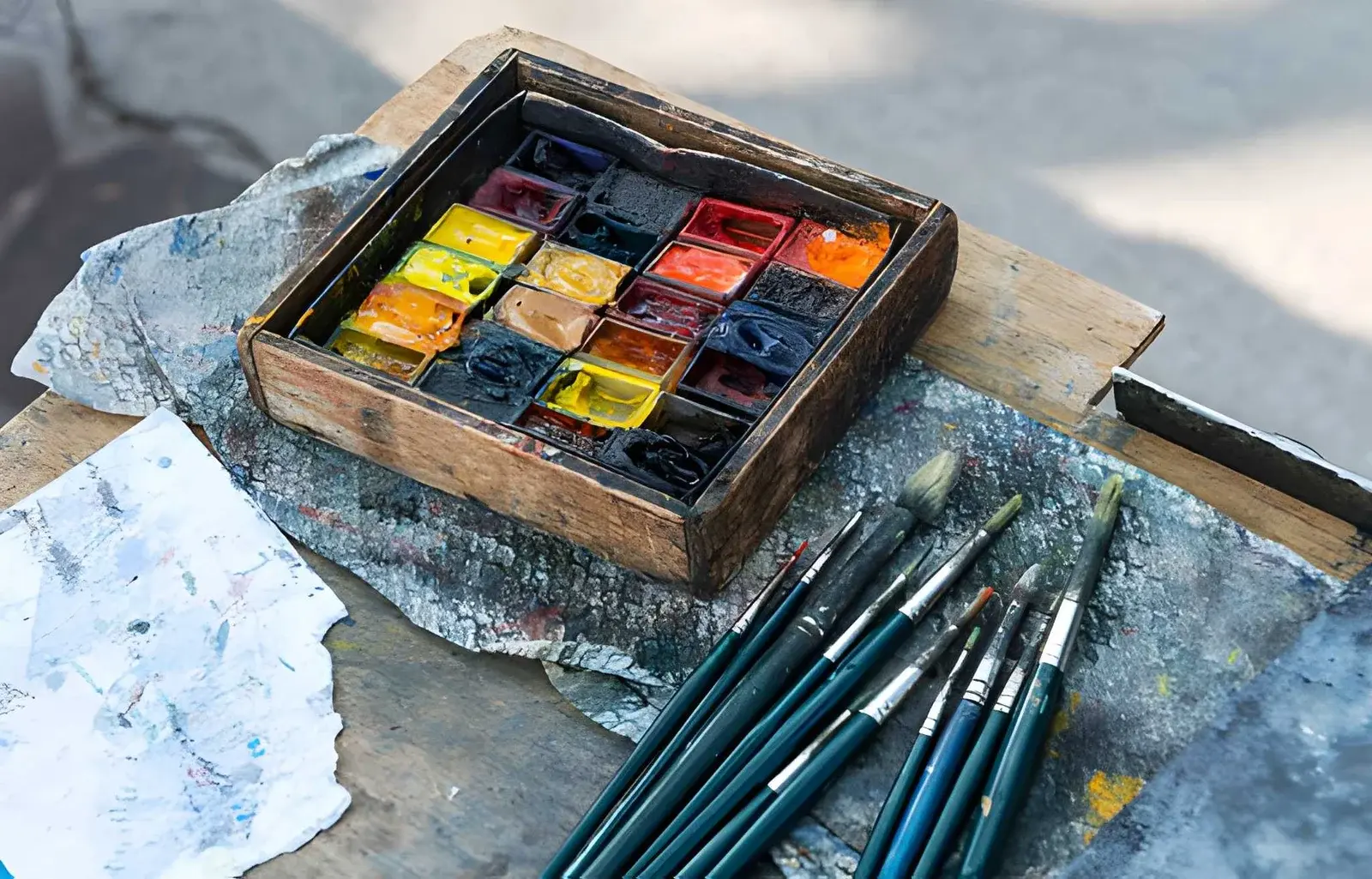
You do not need an expensive art studio or professional equipment to start painting for mental health purposes. acrylic paint is an ideal choice for beginners because it dries quickly, requires minimal setup, and produces vibrant colors without special ventilation requirements. A basic beginner’s set typically pairs these paints with a few brushes, canvas or paper, and a water container for cleaning. Most art supply stores and online retailers offer starter kits that bundle these essentials together at reasonable prices, often between twenty and fifty dollars. Many people also discover that household items can substitute for traditional supplies, such as using plates as palettes or old rags as cleaning materials. Once you develop a consistent practice, you can gradually invest in higher quality materials, but starting simple ensures you do not feel overwhelmed or wasteful as you learn.
Create a Dedicated Space for Your Painting Practice
Establishing a specific area in your home where you paint sends a signal to your brain that this space is reserved for creative work and relaxation. This does not need to be a large studio or a permanent setup. A small corner of a table, a designated shelf with your supplies, or a portable kit you can move between rooms all work perfectly well. The key is consistency and the psychological comfort of knowing you can easily access your materials whenever the urge strikes. Protecting your space from distractions helps you enter that focused, meditative state more quickly and fully. You might add elements that inspire creativity, such as placing your painting area near a window for natural light, displaying finished work, or keeping reference images nearby to spark ideas.
Start With Simple Techniques and Subjects
Beginning painters often feel intimidated by ambitious projects, so starting small builds confidence and keeps frustration at bay. Choose basic subjects like single objects, simple landscapes, or abstract color exploration rather than complex multi-figure compositions. Experiment with fundamental techniques such as blending colors directly on the canvas, layering translucent washes, or using different brush strokes to create texture and movement. Many beginners benefit from following along with video tutorials or instructional books that break techniques into manageable steps without requiring prior knowledge. The goal in early sessions is not to create gallery-worthy artwork but rather to enjoy the process and become comfortable handling materials. As your confidence grows, you naturally progress toward more complex subjects and techniques at your own pace.
Practice Regularly to Deepen the Mental Health Benefits
Consistency matters more than extended practice sessions when it comes to experiencing the therapeutic effects of painting. Even fifteen to thirty minutes of painting several times per week establishes a meaningful routine that your mind and body will come to anticipate and value. Regular practice also helps you develop muscle memory and familiarity with your materials, which reduces technical frustration and allows you to focus more fully on the creative and meditative aspects. Many people find that scheduling painting sessions at the same time each day or week creates a protective ritual that becomes a highlight of their routine. Over time, you may notice that returning to painting during stressful periods provides reliable relief and helps you process difficult emotions. The cumulative effect of regular practice is a deeper sense of calm, increased self-awareness, and improved emotional resilience.
Conclusion
Starting a painting practice for mental health does not require talent, expensive supplies, or previous artistic experience. By understanding the psychological benefits, gathering basic affordable materials, creating a dedicated space, and beginning with simple techniques, you establish a sustainable creative habit. Consistency matters far more than perfection, and even short regular sessions produce meaningful improvements in stress management and emotional well-being. As you develop your skills and deepen your connection to the process, painting becomes a valuable tool for maintaining mental health alongside other wellness practices. The act of translating what you see and feel onto canvas is inherently rewarding, and that reward strengthens each time you pick up a brush. Your mental health journey through painting begins with a single brushstroke, and that first mark is always the most important one you will make.
Also READ
- https://metaphorhaven.com/discover-the-benefits-of-ultherapy-in-sydney-a-non-surgical-facelift-solution/
https://metaphorhaven.com/essential-steps-for-protecting-your-furniture-during