
Millions of people across the globe struggle with depression, a condition that interferes with daily life, relationships, and overall well-being. The urgency to find effective and fast-acting treatments is greater than ever, leading to a wave of research innovations designed to address depressive symptoms more rapidly. For those looking for alternatives to traditional therapy schedules, options such as accelerated TMS are now available. To learn more about how to get accelerated TMS treatment, individuals can explore specialized providers and emerging protocols.
Where standard antidepressants usually take weeks to provide relief, these groundbreaking approaches are showing promising results within days. This accelerated progress is helping people regain functionality and hope sooner, making a profound difference in the lives of those affected by depression. Leading research programs are spotlighting both medication-based innovations and device-driven solutions, ushering in a new era of mental health care.
Rapid-Acting Treatments: A New Frontier
The traditional pathway to depression relief often includes a waiting period of weeks while medications build up effectiveness in the system. This lag can be distressing for many patients. The National Institute of Mental Health’s RAPID program has shifted the landscape by backing research into fast-acting interventions. These range from new pharmacological agents to cutting-edge brain stimulation techniques that are changing expectations for how quickly depression can be addressed (NIMH).
These advances highlight the importance of offering solutions that address both the biological and psychological aspects of depression, empowering clinicians and patients alike to pursue long-term wellness through novel therapeutic options.
Nitrous Oxide: Beyond the Laughing Gas
Nitrous oxide, familiar to many as “laughing gas” from dental offices, is attracting attention as a rapid-acting intervention for depression. Research conducted by the University of Birmingham has found that single administrations can trigger significant improvements in mood, with repeated treatment cycles sustaining the benefits. This breakthrough was highlighted in a recent report from ScienceDaily, which notes that the side effects documented so far tend to be mild and brief. Continued study is necessary to monitor its impact in the long term, but current evidence points to nitrous oxide as a reliable option for quick symptom management.
As mental health care shifts toward individualized treatment, nitrous oxide exemplifies how old medications can be retooled to meet today’s urgent needs. The speed of relief promised by these protocols can help bridge the difficult period as longer-term interventions are established.
Accelerated Transcranial Magnetic Stimulation (TMS)
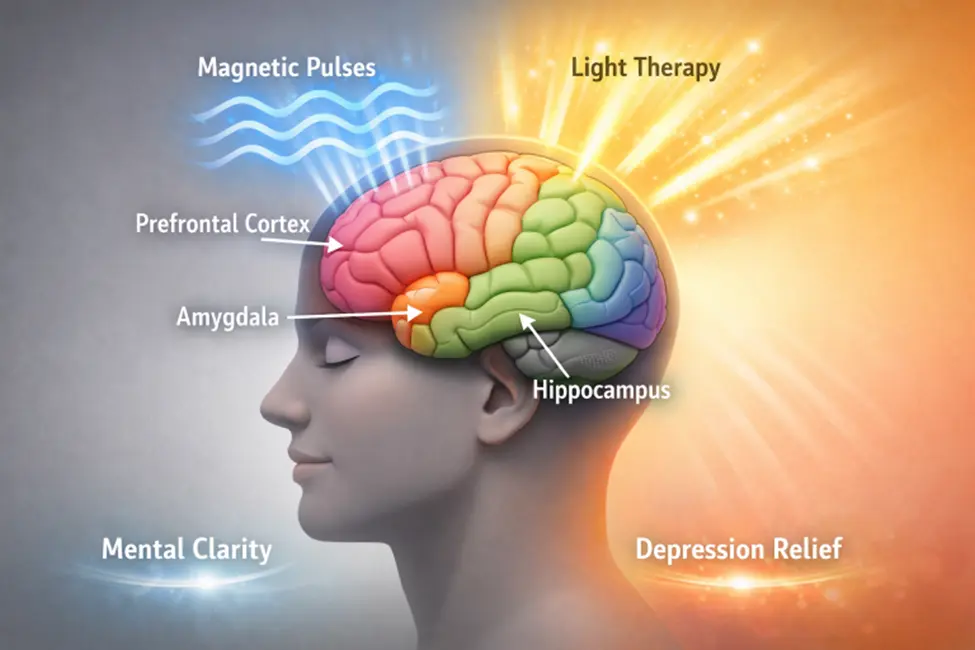
Transcranial magnetic stimulation (TMS) is a well-established method for treating depression by applying focused magnetic pulses to areas of the brain implicated in mood regulation. Traditional TMS protocols require patients to undergo daily sessions for several weeks, which can be challenging to maintain. However, an accelerated regimen developed at UCLA Health condenses the timeline to just five days, delivering five sessions per day with comparable rates of symptom relief. This not only shortens the treatment period but also increases accessibility for those unable to commit to long-term plans.
The development of intensive, short-duration TMS protocols points the way forward for patients who cannot afford to wait weeks for improvement, granting more people the chance at a swift recovery.
Additionally, new research is examining how these accelerated schedules might be further optimized to fit patients’ individual symptom profiles and schedules, resulting in more personalized and efficient treatment options. This could lead to even greater improvements in how depression is managed, reducing the overall burden of the condition in various populations and settings. Furthermore, integrating patient preferences and lifestyle needs into the delivery of accelerated TMS can support both adherence and treatment satisfaction, increasing the likelihood of positive outcomes and rapid recovery.
Deep Brain Stimulation: Personalized Treatment
For cases of depression that resist standard therapies, deep brain stimulation (DBS) offers targeted hope. Researchers are making breakthroughs by identifying neural biomarkers that signal recovery, allowing for DBS to be calibrated individually. This personalized approach means clinicians can fine-tune stimulation settings, enhancing both efficacy and safety. According to updates from the National Institute of Neurological Disorders and Stroke (NINDS), this advancement is a significant step toward precision mental health care.
Innovations like these could transform how resistant depression is treated, especially for those who have tried multiple medications and therapies without success.
Ketamine and Its Derivatives
Originally developed as an anesthetic, ketamine has recently captured the interest of clinicians because of its ability to produce almost immediate antidepressant effects. Studies funded by the National Institutes of Health indicate that even a single infusion of ketamine can alleviate symptoms within hours. Research is now focused on finding safer derivatives and metabolites, such as RR-HNK, which maintain efficacy while reducing side effects and misuse potential. The swift action of these compounds represents an important addition to the toolkit for managing severe depression, especially in crises.
Challenges and Future Directions
Despite the remarkable progress in fast-acting depression treatments, several hurdles remain. Researchers must balance the speed of symptom relief with the need for long-term safety and accessibility. Making these therapies readily available requires collaboration between healthcare providers, researchers, and policymakers. As mental health research funding grows and diverse strategies are tested in real-world settings, the future appears bright for the rapid alleviation of depressive symptoms. Updates on these approaches can also be found by following publications from reputable sources, which regularly cover mental health breakthroughs.
It is also vital to consider the integration of supportive therapies, such as counseling and lifestyle interventions, alongside these rapid-acting treatments. Combining medication or device-based interventions with psychotherapy, exercise, nutrition, and social support networks can further enhance patient outcomes and contribute to more sustainable recovery. This holistic strategy promises not just relief from symptoms, but a full and lasting return to quality of life.
Conclusion
Fast-acting depression relief is no longer a distant aspiration. Thanks to innovations ranging from repurposed medications to novel brain stimulation techniques, patients can now hope for meaningful improvements in days rather than weeks. As accessibility grows and research continues to refine these interventions, rapid-acting therapies are poised to become a cornerstone of modern mental health care, providing hope and timely support to those who need it most.
Also Read
- Improving ROI Through Smart Aviation Technology Investments
- How Customer Expectations Shape Modern Business
- Metaphors for Animals: 20+ Creative Expressions to Add Life to Your Writing