
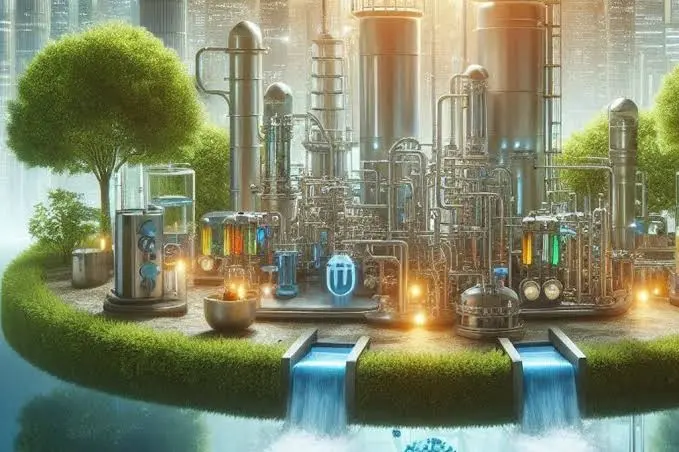
In today’s world, the need for effective water treatment solutions is more critical than ever. With increasing concerns over climate change, pollution, and limited water resources, sustainable living has become a priority. Water treatment is essential in ensuring safe and clean water for communities, agriculture, and industries, thereby playing a vital role in sustainability efforts.
Understanding Water Treatment
Water treatment involves a series of processes designed to improve the quality of water to make it suitable for specific uses. These processes can remove contaminants, parasites, bacteria, and odours, ensuring that the water is safe for consumption and use. The importance of water treatment cannot be overstated, as it helps protect public health and the environment.
Types of Water Treatment Solutions
There are several types of water treatment solutions available, each catering to different needs. Some of the common methods include filtration, sedimentation, biological treatment, chemical treatment, and reverse osmosis. Each method has its unique applications and effectiveness depending on the specific contaminants present in the water.
Filtration
Filtration is one of the most basic forms of water treatment, which involves removing particles from water by passing it through a filter. Filters can be made of sand, charcoal, or synthetic materials, and are effective in removing particles, sediment, and some bacteria.
Sedimentation
This process involves allowing heavy particles to settle at the bottom of a water tank under the influence of gravity. Sedimentation effectively reduces suspended solids, making subsequent filtration more manageable.
Biological Treatment
Biological treatment uses microorganisms to consume organic impurities in the water. This is a natural and sustainable method that can be particularly useful for treating wastewater.
Chemical Treatment
Chemical treatment involves adding chemicals to water to remove impurities. Common chemicals used include chlorine, ozone, and hydrogen peroxide. While effective, these methods require careful handling and dosage control to avoid negative effects on health and the environment.
Reverse Osmosis
Reverse osmosis is a widely used method for water purification. It works by forcing water through a semi-permeable membrane, leaving contaminants behind. This method is highly effective and often used in desalination processes, where salt is removed from seawater to make it suitable for drinking and irrigation.
Advantages of Innovative Water Treatment Solutions
Innovative water treatment solutions offer numerous advantages. They help in conserving water by recycling and reusing treated water. This leads to reduced waste and a smaller ecological footprint. Additionally, these solutions are designed to be energy-efficient and cost-effective, making them accessible to a broader range of users.
The Role of Dowdens Group
Companies like the Dowdens Group are at the forefront of providing innovative and sustainable water treatment solutions. Understanding the changing needs and challenges faced by communities and industries, they offer tailored solutions that promote water conservation and environmental responsibility.
Importance of Sustainable Living
Sustainable living aims to reduce reliance on non-renewable resources and minimise environmental impact. By implementing effective water treatment solutions, communities can better manage their water resources, ensuring that future generations have access to clean water.
Challenges in Water Treatment
Despite the advancements, water treatment still faces challenges. These include the high initial cost of setting up treatment facilities, managing the by-products of treatment processes, and the need for continuous monitoring and maintenance. Solutions must be developed that are not only technically sound but also economically viable.
Future of Water Treatment Technology
Looking ahead, the future of water treatment technology is promising. Emerging technologies, such as nanofiltration and advanced oxidation processes, hold the potential for even greater efficiency and environmental compatibility. Continued research and innovation are crucial to overcoming current limitations and improving water treatment standards globally.
Conclusion
The pursuit of sustainable living requires a commitment to effective water management. Innovative water treatment solutions play a critical role in achieving this goal. By investing in advanced technologies and practices, communities worldwide can ensure access to clean and safe water, thereby safeguarding public health and promoting sustainability.
Also Read-4 Practical Ways To Stretch Any Tech Budget