
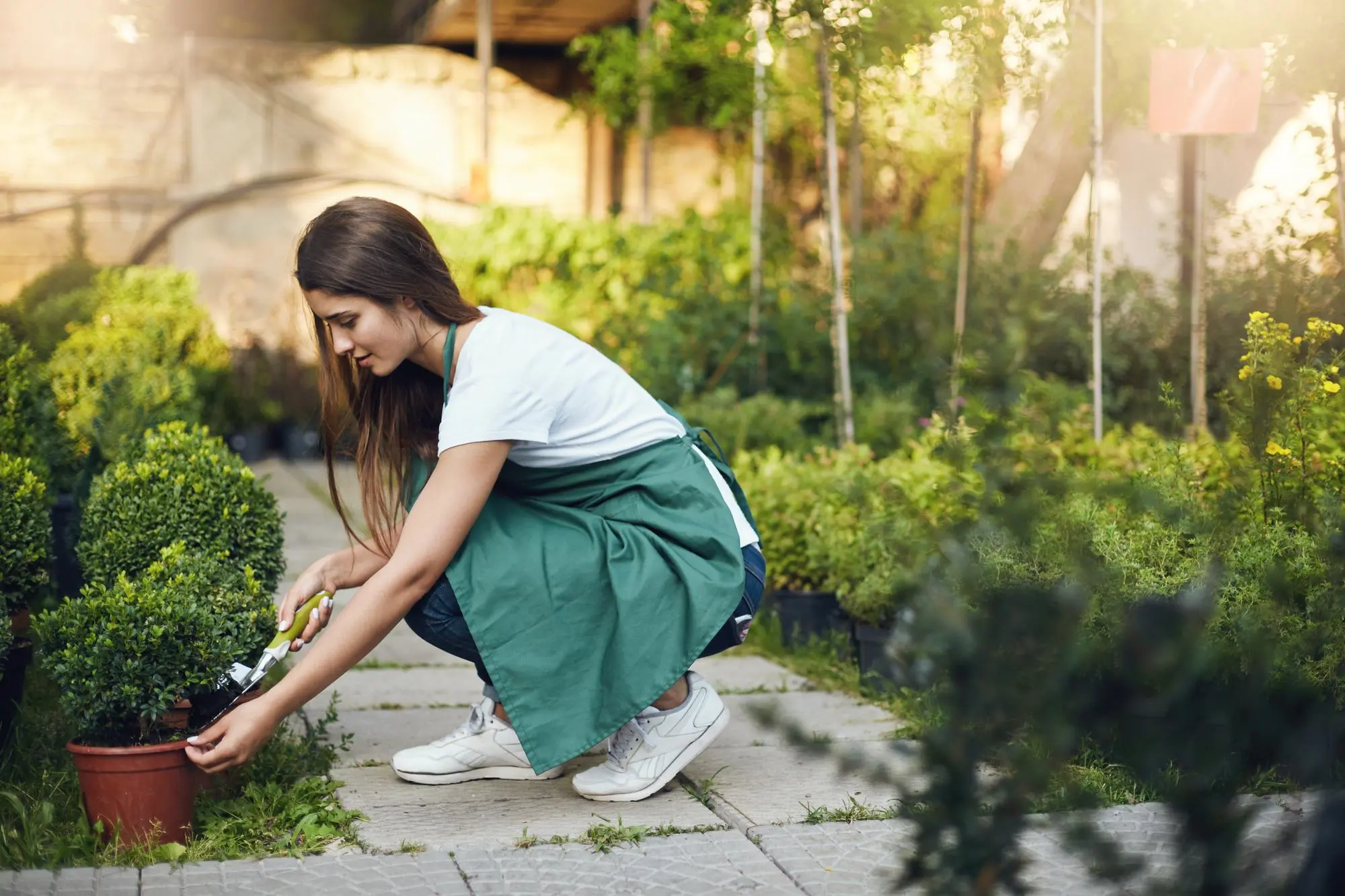
A well-maintained lawn not only enhances curb appeal but also promotes healthier plants, protects your landscaping investment, and creates a welcoming outdoor space. Many homeowner are wondering about ways to improve their garden, but they dont know the proper techniques or have the right equipment. Following proper maintance practices helps reduce common issues such as pests, weeds, and plant diseases, keeping your property in its best condition in every season.
Whether you have a small garden or a large outdoor space, consistent landscape maintenance is key to preserving its beauty, value, and functionality.
Mow at the Proper Height
Mowing grass at the proper height helps to keep your lawn neat and appealing. Avoid cutting grass too short, as it can weaken the root system and make your garden more susceptible to weeds, drought, and disease. Follow these rules:
- Never mow more than one-third of the area in a single mowing.
- Adjust mowing height based on your grass type.
- Mow regularly during the growing season.
- Ensure mower blades are sharp for clean cuts.
Helathy grass naturally prevents weeds and provides you with a neat and green lawn.
Prune Shrubs and Hedges
Routine pruning keeps the shrubs and hedges healthy while improving their appearance and structure. Removing damaged and dead branches improves airflow and reduces teh risks of disease. To prune shrubs and hedges for lawn maintenance, keep the base of the plant wider than the top so sunlight can reach the lower leaves.
Many landscapers and homeowners use an EGO hedge trimmer that is specifically designed to prune, shape, and maintain hedges, bushes, and shrubs.
Benefits of proper pruning include:
- Stronger plant growth
- Better shape and appearance
- Reduced safety hazards
- Improved flowering
- Increased sunlight penetration
Different plants need different pruning techniques and schedules, so provide them care accordingly.
Water Wisely
Proper irrigation is key to healthy plants and a garden. Many homeowners overwater their yard, which can cause root damage, stress, and poor growth. You should follow these practices to water the plants efficiently:
- Water deeply instead of frequently.
- Irrigate early in the morning to reduce evaporation.
- Schedule watering differently during rainy periods.
- Inspect irrigation systems for leaks or clogged sprinkler heads.
Efficient irrigation practices reduce water waste while maintaining a healthy landscape. This also supports sustainability and is a great way to improve your home’s outdoor space.
Keep Weeds Under Control
Weeds negatively affect plants and grass by competing for essential resources such as water, nutrients, and sunlight. The growth of weeds in landscape beds and lawns, if left unchecked, can progress quickly.
To properly control weeds:
- Use a layer of mulch around plants.
- Pull weeds before they develop seeds.
- Maintain healthy turf.
- When necessary, use weed control products.
Effective maintenance helps stop weeds from taking hold, and addressing weeds earlier is much better than trying to clean up after an entire area has been overgrown.
Detect Pests Early
Small landscaping problems can be fixed easily if you find them early enough. The following are a few of the more common symptoms of a pest problem in your landscape:
Leaves begin to yellow.
- Small holes appear on leaves.
- Plants start to wilt.
- Unexpected spots appear on your leaves.
- There are branches in your yard that appear to be dead.
Also READ
- https://metaphorhaven.com/discover-the-benefits-of-ultherapy-in-sydney-a-non-surgical-facelift-solution/
https://metaphorhaven.com/essential-steps-for-protecting-your-furniture-during-a-major-home-renovation/
https://metaphorhaven.com/financial-clarity-reduces-emotional-pressure/


