Last updated on June 30th, 2026 at 11:55 am
Want students to actually focus when it matters most?
All schools colleges and universities want to provide learners with areas where they can concentrate fully on their revision and assessments. If students don’t have the appropriate surroundings they will find it hard to:
- Stay focused during long study sessions
- Perform well in exams
- Manage their stress levels
Here’s the problem:
Classrooms these days are loud. They’re cluttered. And there are distractions everywhere. Phones ding. Students talk. Lights blink. So what happens?
Students switch off, grades suffer, and exam halls become a nightmare.
This article covers the easiest ways to create distraction-free study and testing environments. This includes study booths, intelligent design and some helpful habits.
Let’s dive in!
Here’s what’s inside:
- How Study Booths Solve The Focus Problem
- Why Distraction-Free Spaces Matter
- Designing The Perfect Assessment Area
- Lighting, Noise and Layout Tips That Actually Work
- Managing Tech Distractions In Study Zones
How Study Booths Solve The Focus Problem
Study booths are one of the best solutions for creating distraction-free zones.
Study booths help students focus by…
Giving each student their own personal learning bubble. Study booths have high sides and offer a dedicated workspace. They keep out visual distractions and reduce background noise — two major culprits of lost focus.
When choosing study booths for a school, college or library, look for:
- High side panels to block visual distractions
- A solid, generous worktop with plenty of room for books and a laptop
- Built-in power sockets for charging devices
- Acoustic padding to absorb sound
Study booths complement exam hall tables perfectly when preparing for assessment period, allowing flexibility with layouts that can suit both daily study and formal exams. Study booths for private revision and hardwearing desks for assessments have you covered for nearly every educational furniture requirement.
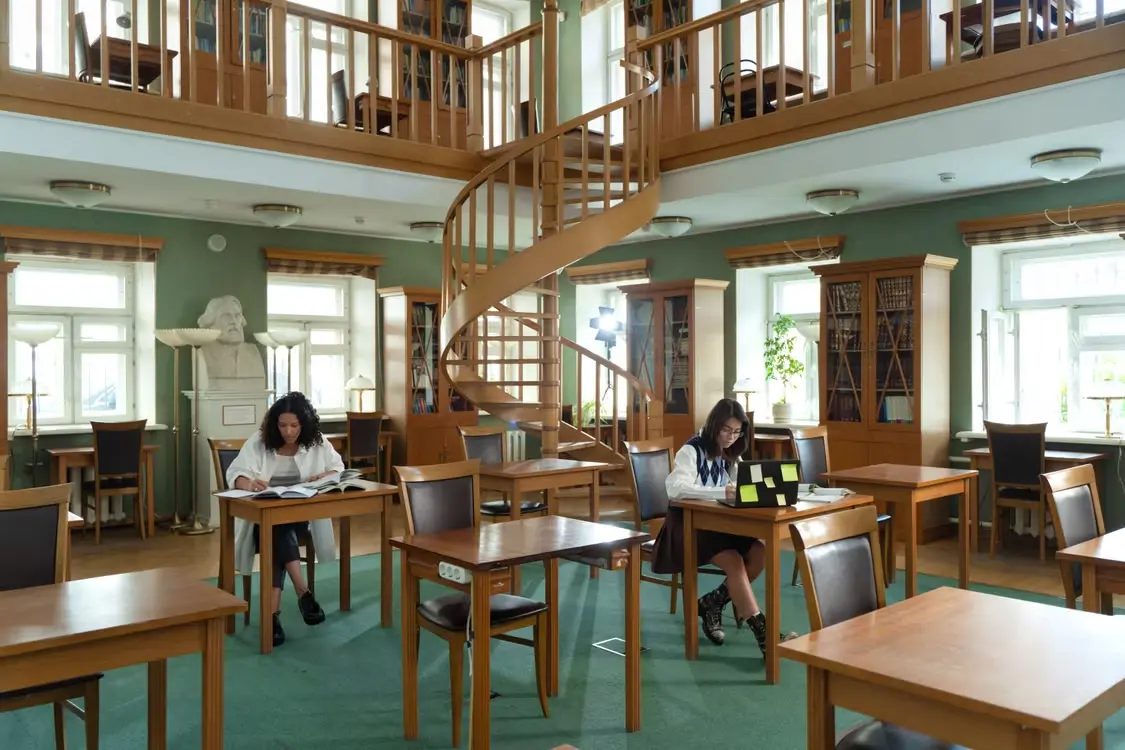
Schools are upgrading their libraries and learning centers by inserting rows of study booths. The vibe shifts immediately. There’s suddenly less chatter. Students are actually able to focus and work. And the entire room just feels intentional.
(That’s a “keep it simple” win right there.)
Why Distraction-Free Spaces Matter
Student focus is at an all-time low.
New data suggests 85% of students in the UK suffer from exam anxiety and the majority never ask for help. That’s a lot of students. Did you know how big anxiety can affect grades? Students that are unable to focus tend to :
- Take longer to absorb information
- Make more silly mistakes in exams
- Feel overwhelmed before they even start
And it gets worse… students can spend up to 20 minutes re-focusing on what they were studying before they got distracted. Twenty minutes! Three interruptions during a one hour study session can eliminate that entire study session.
So that is why environment plays such an important role. The environment in which students study and take exams influences their:
- Attention span
- Stress levels
- Final performance
Think about it…
Studying with distractions like talkative classmates next to you, shaky desks you sit on, and fluorescent lighting shining down from above doesn’t help students focus. If a student is sitting next to one of those talkative classmates, on top of one of those shaky desks, and under fluorescent lighting, how are they supposed to do their best work?
The simple answer is they can’t. And that’s where smart space planning comes in.
Designing The Perfect Assessment Area
Exam halls are a different beast.
Uniform, parallel desks with no gaps between them. Easy lines of sight for invigilators. No way for students to view the work of their neighbours. A seating plan that provides each student with:
- Enough personal space to work comfortably
- A clear line of sight to the clock and any displayed instructions
- Easy access to the aisle without disturbing others
Space is important. The majority of exam boards in the UK advise at least 1.25 metres spacing between desks. If chairs are too close together students will be looking at each others’ screens. Too far apart and you won’t have enough seats for everyone.
The tables/stools themselves must be stable. A desk that rocks back and forth makes for terrible handwriting and increases stress levels during an already stressful time. Spend the money on testing tables and you will see a happier testing environment, less student grumbles, and a visible improvement in concentration during lengthy exams.
Lighting, Noise and Layout Tips That Work
Here’s something most people overlook…
Ambiance isn’t just about furniture. Make sure the fundamentals are right and learners will concentrate more easily.
Lighting:
- Use natural light wherever possible
- Avoid harsh overhead fluorescents
- Add task lighting at individual study booths
- Make sure exam halls have even lighting (no shadowy corners)
Noise:
- Add acoustic panels to walls and ceilings
- Use carpets or rugs to absorb footstep noise
- Keep study zones away from busy corridors
- Consider white noise machines for sensitive spaces
Layout:
- Separate quiet zones from group work areas
- Make sure students aren’t facing distracting windows or doors
- Leave clear walkways so movement doesn’t disturb others
- Keep clutter off walls in exam rooms
Master those 3 things and you can automatically wipe out a majority of your student’s daily distractions.
Managing Tech Distractions In Study Zones
Phones are the biggest focus-killer in modern education.
Face it. You can’t ignore it. That ping will snap a student out of their work in mere seconds. Up to 20 minutes to recover lost focus. Times that by 30 kids and you’re losing hours of instruction each week.
Here’s what actually works:
- Phone lockers or pouches at the entrance to study zones
- Clear “no phone” signs and rules
- Filtered Wi-Fi that blocks social media during school hours
- Designated “phone break” times so students don’t feel deprived
Here’s the secret… make compliance easy for students. The easier and more consistent it is to put their phone away, the more likely they are to comply. Be clear on your rule. Keep your system simple. Be consistent.
(Pair this with a great study environment and the results speak for themselves.)
Tying It All Together
Making distraction-free studying and testing environments is easy. You just need to plan and have some furniture.
To quickly recap:
- Use study booths for focused, private revision
- Set up assessment areas with solid, well-spaced desks
- Sort out the lighting, noise and layout
- Have clear rules around phones and tech
- Make the system easy for students to follow
If you nail these fundamentals, you’ll be able to provide students with the conditions they need to do their best work – from revising for mocks to taking their finals.
Students want to succeed. They just need an environment where they can.
Also Read
- 4 Practical Ways To Stretch Any Tech Budget
- Metaphors for Life: 30+ Powerful Ways to Describe Life’s Journey
- AI Object Removal Technology: Reshaping the Future of Digital Content Creation