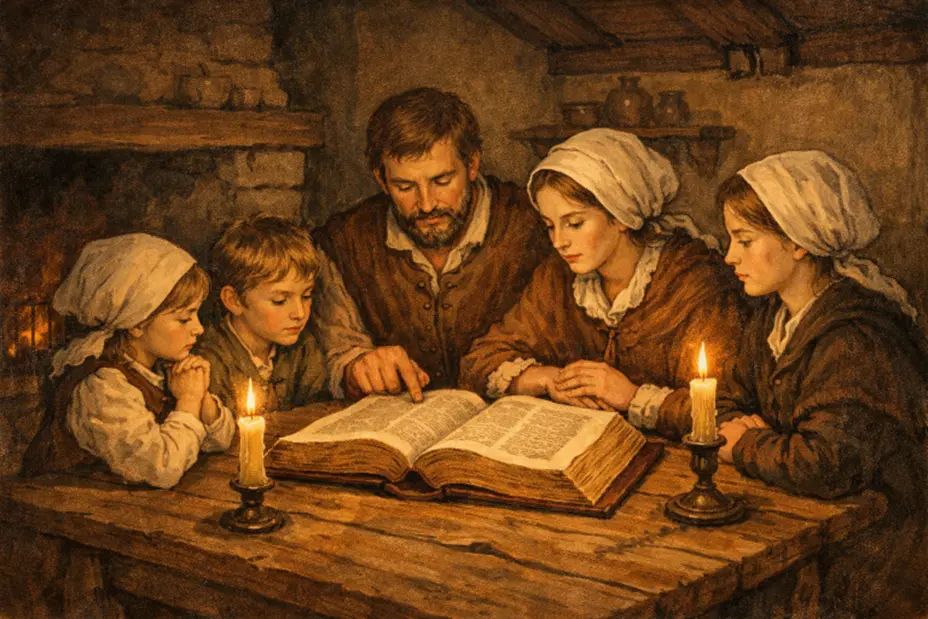
The Dawn of a New Era
The 16th-century Reformation stands as a pivotal chapter in history, ushering in a new era that transformed Europe and, eventually, much of the wider world. Sparked by the convictions of leading reformers such as Martin Luther and John Calvin, the Reformation was not merely a dispute over church doctrine. It set in motion a series of radical changes to religious, political, and social structures. During this period, bold challenges to longstanding authority sparked debates and reforms whose effects would echo through the centuries, shaping what is now widely studied as reformation history.
The Reformation began as a desire to return to the truths of scripture, inspiring many to reevaluate their beliefs and traditions. As the movement spread, it brought renewed hope, encouraged personal engagement with the Bible, and promoted thoughtful discipleship and critical thinking. Reformers emphasized scripture as the ultimate authority, leading to greater spiritual responsibility and wider access to translated Bibles. This shift also fueled literacy, education, and cultural growth, shaping both religious life and the development of modern Western society. According to educational resources from Encyclopedia Britannica, this movement towards literacy helped lay the foundation for many of the educational systems and values we see in place today.
Political Paradigm Shifts
The Reformation’s challenges to church hierarchy soon extended into civil governance. As the notion of direct accountability to scripture took root, rulers and political leaders felt emboldened to govern independently of religious authorities. In nations where Reformation ideals were adopted, this dynamic played a crucial role in the decline of church-controlled politics and the rise of nations guided by their own constitutions.
Such a model promoted the development of checks and balances, cultivating systems of representation and participatory government. The seeds sown during the Reformation era contributed to later ideas about democracy and human rights, as dignity and freedom became central to discussions of justice and good governance.
Economic Transformations
Reformers taught the value of working as if for God, encouraging virtues like diligence and stewardship. The so-called “Protestant work ethic” emphasized personal responsibility, financial integrity, and the wise use of time and resources. Over time, these principles contributed to the rise of economic systems built on trust, hard work, and innovation.
Many scholars now recognize the link between the Reformation and the rise of modern capitalism. Work and vocation were seen not simply as means of earning a living, but as honest ways to serve God and neighbor. This changed societal views on labor, wealth, and enterprise, inspiring models that prioritize ethical conduct and mutual prosperity.
Educational Reforms
The call for all believers to read and understand the Bible led to profound educational reforms across Europe and beyond. Schools were established to teach literacy and foster deeper engagement with scripture, opening the door for widespread educational accessibility. Both religious and civic leaders realized that education was a means to promote wisdom, discernment, and grace-filled living.
The ripple effects of these reforms are still seen today. Public education systems, library networks, and universities owe much of their existence to these initiatives promoting learning and scripture-based wisdom. Quality education became aligned with spiritual growth and personal freedom, noble ideals that continue to inspire families and communities worldwide.
Social and Cultural Impacts
The Reformation contributed to a culture that encouraged individual thought and responsible action. The questioning of traditional norms opened avenues for new expressions in literature, music, and the arts. Individuals were increasingly valued for their innate dignity and unique contributions.
As society embraced greater freedom and inquiry, new movements in art, literature, and even science flourished. The emphasis on personal faithfulness and learning inspired generations to pursue excellence, build trustworthy communities, and promote respectful dialogues about truth and grace.
Global Influence and Legacy
The reach of the Reformation extended well beyond Europe, carried by explorers, settlers, and missionaries to the Americas, Africa, and Asia. The values it fostered, individual rights, freedom of conscience, and participatory government, became core elements of cultures around the world. These principles remain visible in modern conversations about faith, justice, and education.
Through the centuries, the legacy of the Reformation has continued to shape Christian thought, family life, and societal development. Its enduring influence can be seen in the vitality of faith-based communities, the pursuit of wise and just governance, and the ongoing quest to live out biblical truth in every aspect of life. For additional context on the Reformation’s global impact, History.com offers thorough summaries and resources.
Conclusion
The Reformation was a turning point that reshaped the landscape of religion, politics, economics, and culture. Its enduring legacy is reflected in the freedoms, values, and institutions that guide contemporary society, reminding us of the ongoing need for humility, grace, and faithful pursuit of truth.
Also Read-5 Tips for Preventing Damage in Your Home