
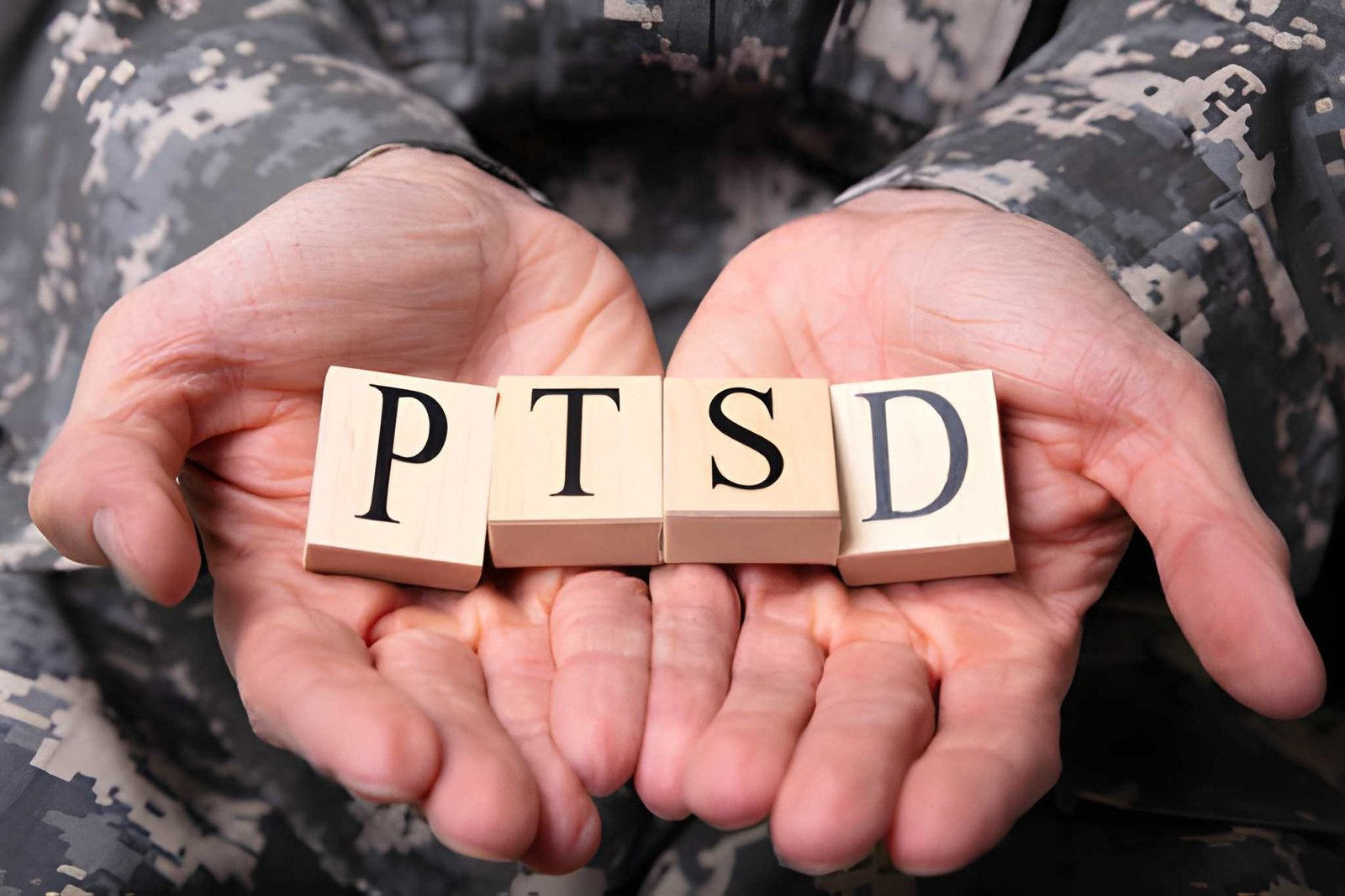
Post-traumatic stress disorder affects millions of people worldwide. It can develop after someone experiences a terrifying event. Many individuals struggle with flashbacks, anxiety, and emotional numbness. These symptoms can disrupt work, relationships, and daily life. Fortunately, several treatment options exist for PTSD. Intensive outpatient programs have become a valuable choice for many people on their recovery journey.
What Are Intensive Outpatient Programs
Intensive outpatient programs provide structured mental health care. People attend these programs during the day and return home in the evening. They receive several hours of therapy each week. The schedule allows individuals to maintain work or family responsibilities. This format offers more support than standard weekly therapy sessions. It works well for those who need significant help but do not require 24-hour supervision.
How These Programs Support PTSD Recovery
Therapy forms the foundation of intensive outpatient programs for PTSD. Cognitive behavioral therapy at Greater Boston Behavioral Health and similar places helps people change negative thought patterns. Exposure therapy gradually reduces fear responses to trauma reminders. Group sessions allow participants to share experiences with others who understand. These methods teach practical skills for managing symptoms. Individuals learn to recognize triggers and respond in healthier ways. The consistent schedule reinforces new coping strategies effectively.
Key Benefits of This Treatment Approach
Intensive outpatient programs offer flexibility that inpatient care cannot provide. People can continue their daily routines while receiving treatment. This continuity helps individuals apply new skills in real-world situations. The programs often cost less than residential treatment options. Participants build a support network with peers and therapists. This community aspect reduces feelings of isolation that often accompany PTSD. Many people find this balance of support and independence works well for long-term recovery.
Who Benefits Most From These Programs
These programs work for people with moderate to severe PTSD symptoms. Those who have completed inpatient treatment often use these programs as a step-down. Individuals with strong support systems at home tend to succeed in this format. People motivated to participate actively in their recovery see good results. The programs also help those who cannot take extended time away from work or family. Each person’s treatment plan gets tailored to their specific needs and goals.
Making Progress Through Daily Practice
Recovery happens outside of therapy sessions as well. Participants practice their new skills between program days. They learn to identify early warning signs of distress. Journaling helps many people process their thoughts and emotions. Physical exercise and proper sleep support mental health. These daily habits reinforce the work done in therapy. The program structure encourages consistent application of healthy coping methods.
The Long-Term Outlook
Many people experience significant improvement through these programs. Symptoms often decrease in frequency and intensity over time. Individuals regain a sense of control over their lives. Relationships frequently improve as communication skills develop. The skills learned continue to serve people long after the program ends. Some individuals return for refresher sessions if symptoms flare up. This ongoing support helps maintain progress and prevent relapse.
Intensive outpatient programs at places like Greater Boston Behavioral Health offer a practical path to PTSD recovery. They provide comprehensive care while allowing people to stay connected to their daily lives. The combination of therapy, skill-building, and peer support creates a solid foundation for healing. These programs have helped countless individuals reclaim their lives from trauma. They represent an important option in the mental health care system. Anyone considering this approach should consult with a mental health provider to determine if it fits their needs. The journey to recovery takes time, but with the right support, improvement becomes possible.
Read more: Treatment Options In Ohio For Adults With Substance Use Concerns – metaphorhaven.com
The Click That Stays: Analog Memory and the Future of Mobile Game Feel – metaphorhaven.com
Does California Have a Helmet Law? What Every Rider Needs to Know – metaphorhaven.com